


This article will cover the top tokenization infrastructure platforms changing how businesses and institutions turn real-world assets into digital tokens with security.
These platforms offer sophisticated blockchain technology for asset issuance, compliance, custody, and management. We will examine the platforms and the supportive role they play for the future growth of digital asset ecosystems globally.
Key Points & Best Tokenization Infrastructure Platforms
| Best Tokenization Infrastructure Platforms | Explanation |
|---|---|
| Polymesh | Enterprise blockchain enabling compliant security token issuance and asset management solutions globally. |
| Securitize | Provides regulated tokenization services for real-world assets and digital securities. |
| Tokeny | Offers compliant token issuance, investor management, and blockchain asset infrastructure tools. |
| Fireblocks | Delivers secure custody, tokenization technology, and institutional blockchain infrastructure services. |
| R3 Corda | Enterprise blockchain supporting secure tokenized assets and financial applications development. |
| Taurus | Provides institutional tokenization, custody, and digital asset lifecycle management solutions. |
| Avalanche | Enables scalable tokenized asset creation through customizable blockchain networks and tools. |
| Ethereum | Supports tokenization using smart contracts, standards, and decentralized applications worldwide. |
| Centrifuge | Connects real-world assets with decentralized finance through tokenized infrastructure solutions. |
| Algorand | Provides fast, secure blockchain infrastructure for tokenized assets and transactions. |
10 Best Tokenization Infrastructure Platforms
1. Polymesh
Polymesh is an ideal blockchain infrastructure for regulated security tokenization and institutional digital assets. It builds regulatory compliance directly into the blockchain through an identity layer, governance, asset permissions, and privacy of transactions.
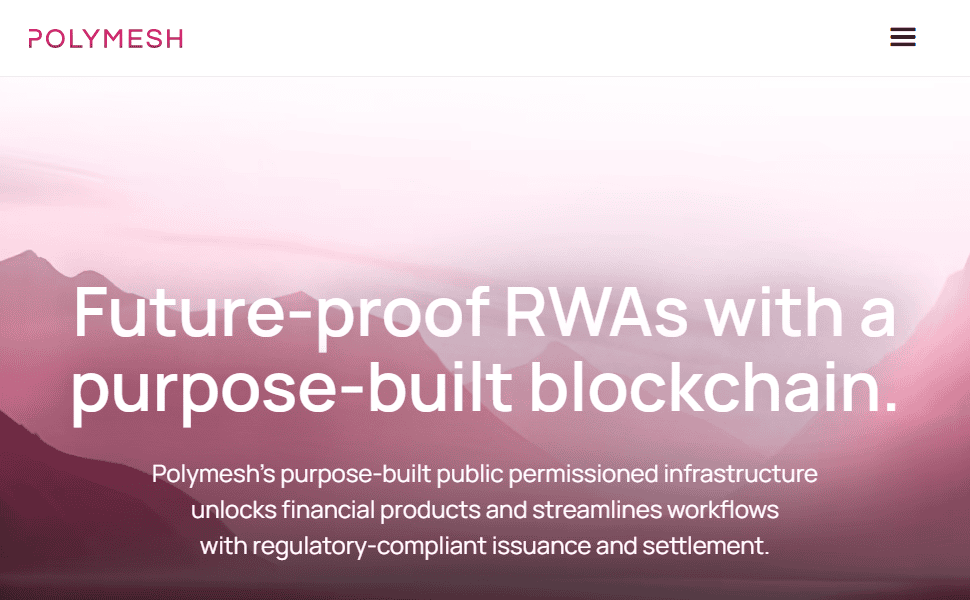
General-purpose blockchains focus on being the fastest and most scalable. Polymesh was built for financial institutions to facilitate the issuance and management of tokenized securities
While being compliant. It provides the tools for businesses wanting to modernize traditional assets onto the blockchain and make them secure, public and digital.
Polymesh – Pros & Cons
| Pros | Cons |
|---|---|
| Built specifically for regulated security token issuance and compliance. | Limited use cases compared with general-purpose blockchain networks. |
| Provides strong identity verification and permission-based asset management. | Smaller developer ecosystem than Ethereum and Avalanche. |
| Helps institutions manage tokenized securities securely and transparently. | Requires users to understand regulatory-focused blockchain processes. |
| Offers enterprise-grade governance and confidential transaction features. | Adoption is still growing among global financial institutions. |
| Designed for compliance with financial market requirements. | Less flexibility for highly decentralized applications. |
2. Securitize
Located atop of the compliance and blockchain stack, Securitize is one of the early movers in the digital securities space. It allows firms to tokenize private equities, private funds, alternative investments, and other real world assets.
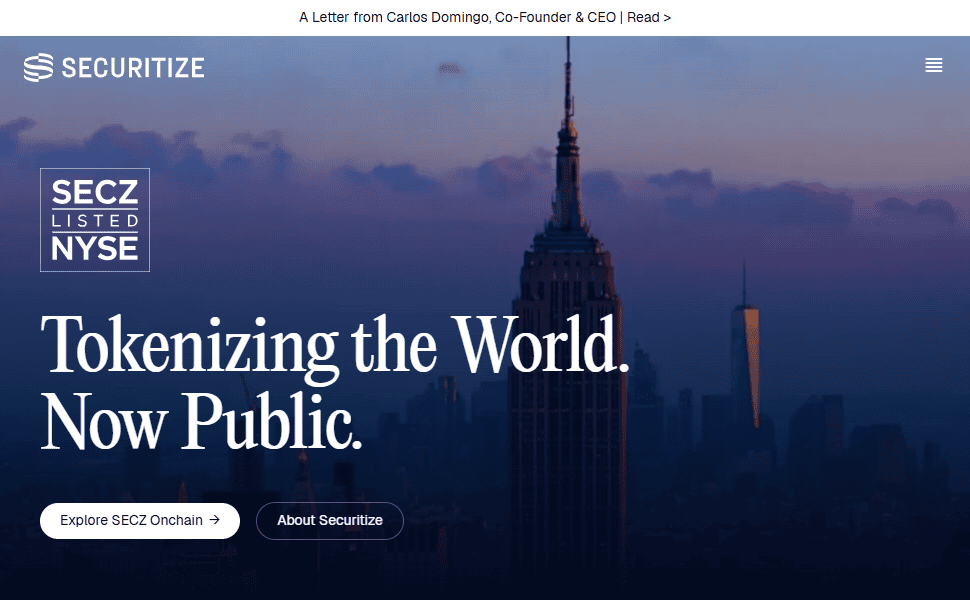
Securitize brings significant time and cost efficiencies to the digital securities issuance process. It offers an array of compliance and best-practice trading infrastructure, investor onboarding, and transfer tools.
The modular design of the Securitize infrastructure has captured the attention of many firms seeking to adopt the blockchain and facilitate a new ownership model for their customers.
Securitize – Pros & Cons
| Pros | Cons |
|---|---|
| Provides regulated tokenization solutions for real-world assets. | Primarily focused on compliant securities markets. |
| Supports investor onboarding and digital security management. | Platform services may involve higher institutional costs. |
| Helps improve liquidity for traditionally illiquid assets. | Depends on regulatory approval in different regions. |
| Offers strong compliance and reporting infrastructure. | Less suitable for open decentralized projects. |
| Trusted by institutions exploring blockchain-based investments. | Limited customization compared with building independent solutions. |
3. Tokeny
The focus of Tokeny’s technology and infrastructure lies in compliant digital asset issuance and management with regard to advanced tokenization and the issuance of real world assets.
Tokeny provides a compliance layer to the blockchain throughout the ownership tracking and management of tokenized assets for their clients.
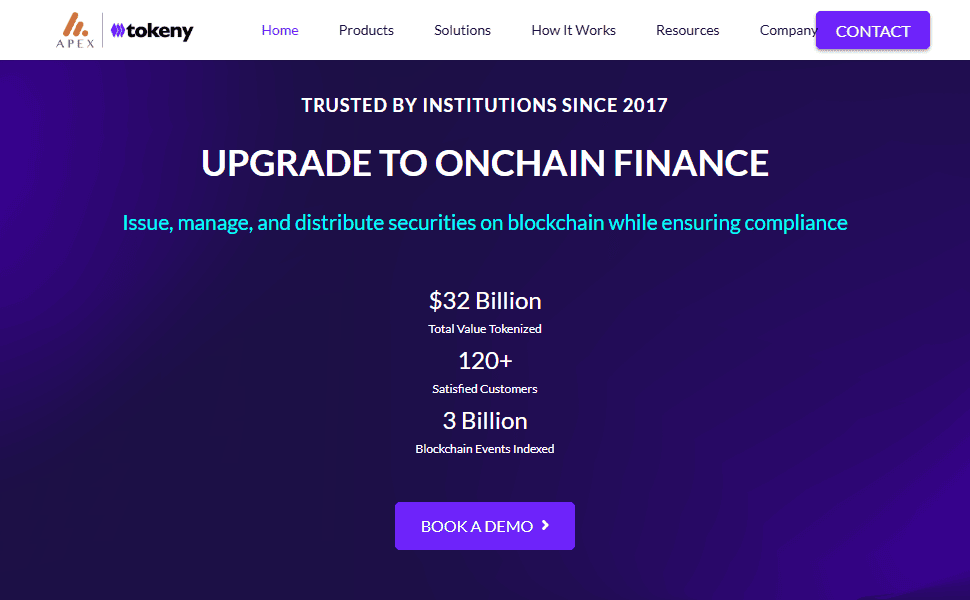
Tokeny is an ideal infrastructure design for the financial service industry ensuring that the compliant and secure markets are readily accessible. Its operations are concentrated in regulated markets, which can benefit from the creation of transparently scalable tokenized ecosystems.
Tokeny – Pros & Cons
| Pros | Cons |
|---|---|
| Enables compliant token issuance with automated regulatory controls. | Mainly designed for enterprise and institutional users. |
| Provides investor verification and ownership management tools. | Smaller ecosystem compared with major blockchain platforms. |
| Simplifies real-world asset tokenization processes. | Requires integration with existing compliance systems. |
| Supports transparent digital asset lifecycle management. | May not fit highly decentralized token projects. |
| Helps businesses create legally compliant token ecosystems. | Limited public blockchain functionality. |
4. Fireblocks
Fireblocks supplies cutting-edge security infrastructure for the tokenization, custody, and custody-related blockchain activities of digital assets. It allows banks, enterprises, and financial institutions the ability to manage tokenized assets using its sophisticated security mechanisms, such as multi-party computation and secure transfer.
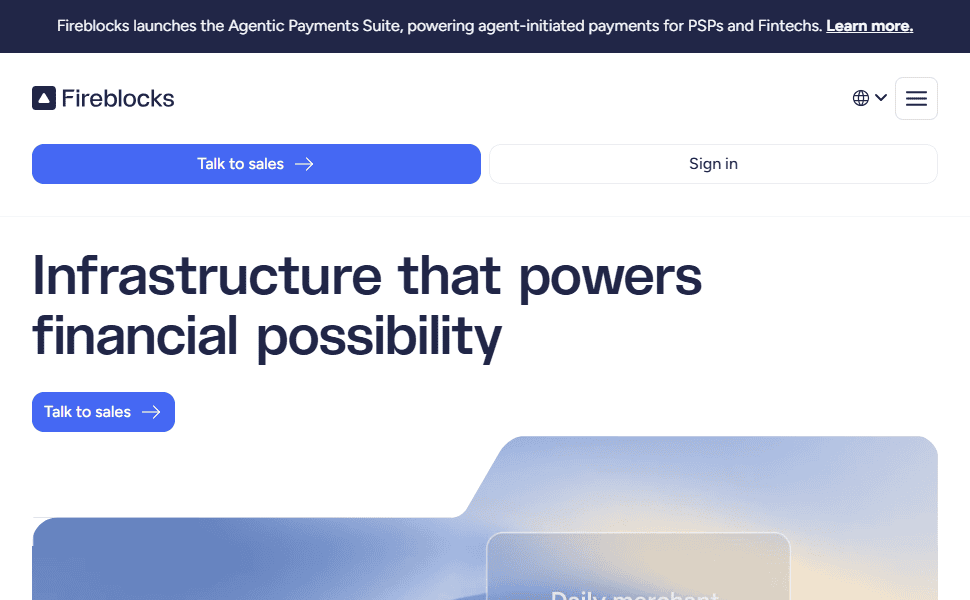
Fireblocks infrastructure helps its customers issue, store, and transfer digital assets with safety and lower operational risk. This infrastructure endures the progressive adoption of tokenized, security-based, blockchain financial products, stablecoins, and other blockchain products.
Fireblocks – Pros & Cons
| Pros | Cons |
|---|---|
| Provides advanced security infrastructure for digital assets. | Enterprise pricing can be expensive for small businesses. |
| Uses secure technology for institutional asset protection. | More focused on infrastructure than direct token issuance. |
| Supports custody, transfers, and blockchain operations. | Requires technical expertise for advanced implementation. |
| Trusted by banks and large financial organizations. | Not designed for individual developers or small projects. |
| Helps reduce risks in digital asset management. | Dependence on centralized security infrastructure |
5. R3 Corda
R3 Corda is an enterprise blockchain system that permits the secure financial activities of the tokenization of assets. Corda prefers privacy, and while using an enterprise-oriented, scalable, and permissioned network, allows the tokenization of assets and the automation of smart contracts and activities.
Corda is scalable and enterprise-oriented, making it suitable for the extensive activities of the tokenization of assets and financial services.
R3 Corda – Pros & Cons
| Pros | Cons |
|---|---|
| Designed specifically for enterprise blockchain applications. | Less popular among consumer blockchain developers. |
| Provides privacy-focused transaction management. | Complex setup compared with public blockchains. |
| Supports financial institutions and regulated industries. | Requires technical knowledge for deployment. |
| Enables secure tokenized asset workflows. | Smaller open-source community than Ethereum. |
| Suitable for large-scale business blockchain solutions. | Limited public ecosystem participation. |
6. Taurus
Taurus is a digital asset infrastructure provider for the institutional solutions of tokenization and custody of digital assets and their lifecycle management. The platform permits banks and financial and investment service providers to safely offer and manage their tokenized securities.
Taurus, with its custody solutions, also provides compliant and controlled infrastructure for the issuance of digital assets. Its proprietary technology creates secure digital representations of assets while meeting both the required safety and regulatory standards.
Taurus – Pros & Cons
| Pros | Cons |
|---|---|
| Offers institutional tokenization and digital asset custody. | Mainly targeted toward financial institutions. |
| Supports multiple blockchain networks and asset types. | Less accessible for smaller organizations. |
| Provides secure lifecycle management for digital securities. | Requires compliance processes before implementation. |
| Helps bridge traditional finance with blockchain technology. | Limited awareness compared with larger platforms. |
| Strong focus on security and regulatory requirements. | Enterprise-focused pricing structure may be costly. |
7. Avalanche
Avalanche provides a high-level bespoke framework and modular design for the creation of financial applications and tokenized assets. Custom blockchain networks also allow companies to build purpose-built environments for the regulated tokenization of assets.
Ascertaining smart contracts, DApps, and enterprise blockchain solutions, Avalanche infrastructure offers a seamless way for organizations to tokenize real estate, financial instruments, and other physical assets, whilst enjoying the benefits of transparency and market accessibility afforded by blockchain.\
Avalanche – Pros & Cons
| Pros | Cons |
|---|---|
| Provides fast transactions and scalable blockchain infrastructure. | Network competition is high among Layer-1 blockchains. |
| Supports customizable blockchain networks for enterprises. | Requires technical expertise for custom deployments. |
| Enables efficient real-world asset tokenization solutions. | Token ecosystem can experience market volatility. |
| Strong smart contract and developer ecosystem. | Regulatory tokenization features need additional solutions. |
| Offers low-cost and high-speed blockchain operations. | Smaller institutional adoption compared with Ethereum. |
8. Ethereum
Ethereum’s dominant smart contract capabilities and vastly popular ecosystem, have ensured that it remains a favorite blockchain infrastructure for the tokenization of assets.
Ethereum boasts compliance with some of the most popular token standards, such as ERC-20 and ERC-1400, facilitating the creation of digital assets and security tokens, and the outline of decentralized financial instruments.
Of all the various tokenization solutions on the market, Ethereum is the infrastructure most companies and developers prefer for the tokenization of real-world assets, due to its security, solid developer base, and ease of integration.
Continuous enhancement of the infrastructure by the Ethereum community for the incorporation of highly scalable and institutional blockchain solutions, attests to the eagerness of the Ethereum community to increase institutional engagement.
Ethereum – Pros & Cons
| Pros | Cons |
|---|---|
| Largest ecosystem for blockchain-based tokenization solutions. | Transaction fees can increase during network congestion. |
| Supports widely used token standards like ERC-20 and ERC-1400. | Scalability limitations compared with newer blockchains. |
| Strong developer community and institutional adoption. | Complex smart contract development requires expertise. |
| High security and proven blockchain infrastructure. | Energy-efficient improvements still require ongoing upgrades. |
| Extensive integration with DeFi and digital asset platforms. | Regulatory compliance requires additional tools and frameworks. |
9. Centrifuge
As decentralized tokenization infrastructure which provides the means to link real-world assets to DeFi ecosystems, Centrifuge enables the tokenization of assets, such as invoice financing, real estate, and private credit, facilitating access to DeFi liquidity.
Its focus is to help create transparent financial markets in which traditional assets may engage with DeFi. Centrifuge offers a means for asset originators, and liquidity seeking investors and institutions, to tokenization of previously illiquid assets.
Centrifuge – Pros & Cons
| Pros | Cons |
|---|---|
| Connects real-world assets with decentralized finance markets. | Requires users to understand DeFi concepts. |
| Enables tokenization of invoices, credit, and real estate. | Adoption is smaller than traditional financial platforms. |
| Improves liquidity access for asset owners. | Depends on blockchain market conditions. |
| Provides transparent asset-backed investment infrastructure. | Complex regulatory challenges remain for global expansion. |
| Supports decentralized financial innovation. | Limited awareness among mainstream investors. |
10. Algorand
Algorand enables users to build and manage their own digital assets and tokens on its fast and scalable blockchain. Algorand’s infrastructure provides superior solutions for token issuance, smart contracts, and building enterprise blockchain applications.
Financial organizations building tokenized financial products, digital currencies, and real world asset solutions rely on Algorand’s high throughput, low cost technology.
Combined with the security of blockchain, Algorand’s scalability and throughput is ideal for enterprises building the future financial and digital asset ecosystem.
Algorand – Pros & Cons
| Pros | Cons |
|---|---|
| Provides fast, secure, and scalable blockchain infrastructure. | Smaller ecosystem compared with Ethereum. |
| Offers low transaction costs for tokenized assets. | Lower developer adoption in some markets. |
| Supports enterprise-grade digital asset applications. | Limited public awareness among businesses. |
| Uses efficient consensus technology for performance. | Fewer tokenization platforms built on Algorand. |
| Suitable for financial applications and institutional solutions. | Competes with many advanced Layer-1 networks. |
Conclusion
Conclusion Best Tokenization Infrastructure PlatformsThe Best Tokenization Infrastructure Platforms are helping businesses by providing the tools and support necessary to manage digital assets in a secure, efficient, and transparent way. This creates new opportunities for businesses.
Polymesh, Securitize, Fireblocks, Ethereum, and Avalanche provide excellent offerings to allow regulated token issuance with the supportive ownership of a blockchain. The infrastructure for tokenization will provide powerful offerings to the world.
FAQ
These platforms help companies improve asset liquidity, reduce intermediaries, automate transactions, and enable transparent blockchain-based ownership.
Polymesh and Securitize are popular choices because they provide compliance-focused infrastructure for regulated digital securities.
Tokenization platforms convert physical or financial assets into blockchain tokens using smart contracts and secure digital ownership records.
Yes, real estate, investment funds, and other valuable assets can be converted into digital tokens.