


This article introduces Web3 identity and ENS domain service providers. It reviews the differentiation these agencies provide when assisting clients construct digital identities. The review covers general features, offered services, advantages, and disadvantages of various solutions.
It provides a comparison of multiple solutions in the naming infrastructure, decentralized identity, blockchain, and ecosystems elements. This enables selection of the most appropriate service offering.
Key Points & Best Web3 Identity and ENS Domain Agencies
- ENS — Provides decentralized names, profiles, payments, websites, and portable Web3 identities.
- Namespace — Builds scalable ENS naming systems for wallets, chains, applications, communities, and agents.
- ENSHaus — Curates premium ENS names and provides strategic Web3 identity consulting services.
- Unstoppable Domains — Offers blockchain domains supporting digital identity, payments, websites, and decentralized ownership.
- Space ID — Provides multi-chain Web3 domains designed for decentralized identity and ecosystem integration.
- Freename — Enables customizable Web3 domains and decentralized identities across multiple blockchain ecosystems.
- ENS Domain — Offers ENS resources covering registration, records, subnames, APIs, websites, and integrations.
- ENS DAO — Supports decentralized governance and development of Ethereum’s open naming infrastructure globally.
- Para — Simplifies ENS registration through email, social login, phone authentication, and embedded wallets.
- ENS Explorer — Provides advanced ENS ownership, resolver, historical-record, search, filtering, and developer tools.
10 Best Web3 Identity and ENS Domain Agencies
1. ENS — Ethereum Name Service
ENS (Ethereum Name Service) “translates” long blockchain addresses into brief forms such as alice.eth, with support for wallet addresses, payments, profiles, social data and websites on the Blockchain. ENS can store avatars, create a social profile, and host subnames and other decentralized web assets.
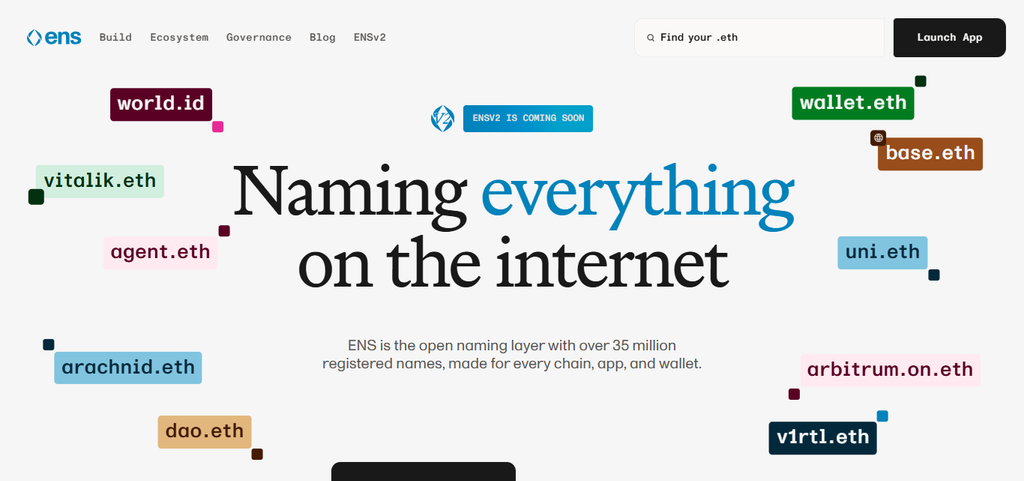
ENS was launched in May 2017 to manage the complex and cumbersome Ethereum blockchain addresses by the Ethereum Foundation and an individual contributor, Nick Johnson.
It later became a community managed and governed protocol. ENS has a solid foundation for naming and has helped shape the self-sovereign digital identity movement that is the foundation of Web3.
Features & Pros Cons Explained
| Features | Pros | Cons |
|---|---|---|
Decentralized .eth names | Strong Ethereum ecosystem | Primarily Ethereum-focused |
| Wallet-address mapping | Improves identity readability | Registration costs can vary |
| Web3 profiles and avatars | Portable digital identity | Can require technical knowledge |
| Crypto payment addressing | Convenient for users | Blockchain transactions involve fees |
| Decentralized websites | Supports Web3 publishing | Less familiar than traditional domains |
| Subnames and records | Highly customizable identity | Setup may be complex for beginners |
2. Namespace
Namespace pioneers web3 naming infrastructure that goes beyond wallets, blockchains, and applications to protect community identities and digital agents. Beyond domain registration, Namespace helps infrastructure clients design naming systems and identity experiences.
Starting at the domain level, Namespace was one of the first to launch services around programmable blockchain domains and identity in the early web3 infrastructure era.
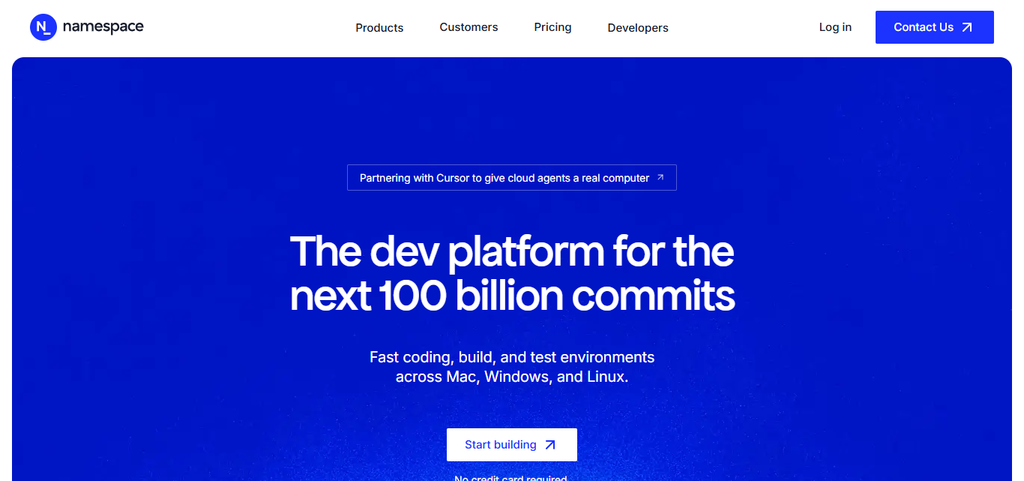
Wallets and community-centric sub-domains are the primary use cases for their services. Namespace is unlike standard domain registrars geared towards the consumer because of its infrastructure-centric model
Features & Pros Cons Explained
| Features | Pros | Cons |
|---|---|---|
| Scalable naming infrastructure | Suitable for large ecosystems | More infrastructure-oriented |
| Wallet naming | Improves user experience | May require integration work |
| Application naming | Useful for Web3 platforms | Less consumer-focused |
| Community identities | Supports branded ecosystems | Adoption varies by ecosystem |
| Chain-based naming | Enables structured identities | Complexity increases with scale |
| Agent naming | Supports emerging Web3 agents | Newer use case with evolving standards |
3. ENSHaus
Focused on premium ENS domains, domain acquisition, and portfolio strategy, ENSHaus provides web3 naming services and helps clients develop identity-centric web3 naming strategies.
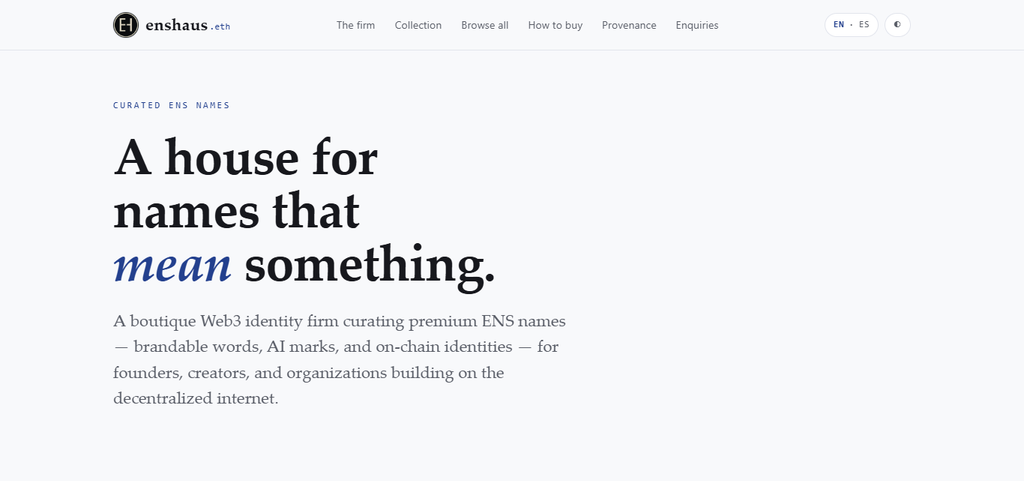
Instead of operating the ENS protocol, ENSHaus operates within the ENS ecosystem to help users understand the value of names. ENSHaus provides web3 naming and identity services that stem from their background in ENS domain collection, investment, brand-focused naming, and web3 identity strategy.
Features & Pros Cons Explained
| Features | Pros | Cons |
|---|---|---|
| Premium ENS-name curation | Specialized ENS expertise | Focused mainly on ENS |
| Domain discovery | Helps identify valuable names | Premium names can be expensive |
| ENS portfolio support | Useful for collectors | Smaller scope than major platforms |
| Identity consulting | Supports branding decisions | Consulting may not suit casual users |
| Domain-market knowledge | Helpful for strategic purchases | Market values can fluctuate |
| Web3 naming strategy | Supports long-term positioning | Requires understanding of ENS markets |
4. Unstoppable Domains
Unstoppable Domains provides blockchain-based domains to simplify digital identity, payments, and ownership of web pages. They provide a way to provide site and payment addresses that are easier to read and remember than the long strings of cryptographic text that usually fill that role.
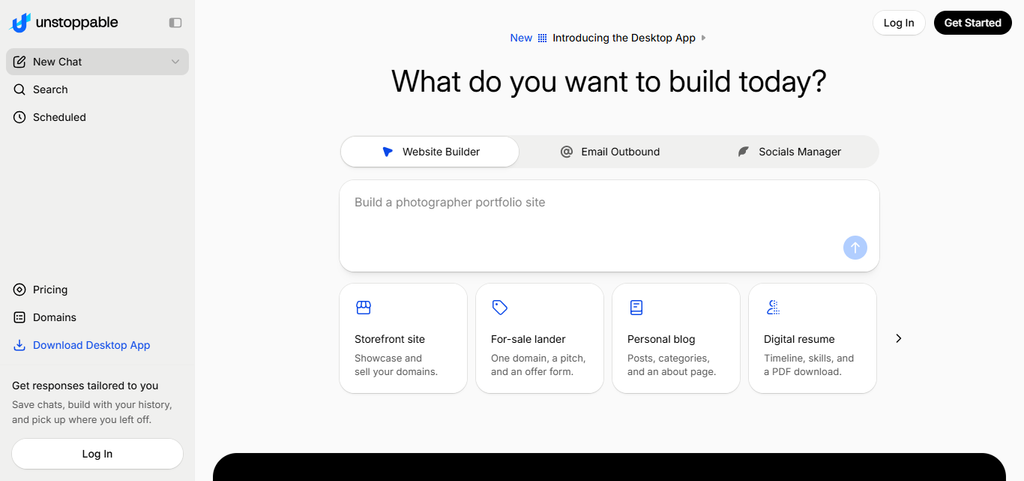
The company was founded in 2018. However, its founders ran another company, BuyETHDomains, in 2017. BuyETHDomains registered Ethereum domains for regular users. What made the founders of
Unstoppable Domains different from other domain name companies at the time was that the founders believed that blockchain domains could be payment systems and identifiers, rather than just webpages. Because of this, Unstoppable Domains has become recognized and trusted as a blockchain-domain company.
Features & Pros Cons Explained
| Features | Pros | Cons |
|---|---|---|
| Blockchain domain registration | Easy-to-understand Web3 naming | Not the same as ENS |
| Crypto payment addresses | Simplifies payments | Compatibility varies by wallet |
| Digital identity | Supports user-owned identities | Ecosystem support differs |
| Decentralized websites | Enables Web3 publishing | Mainstream adoption remains developing |
| Multiple blockchain integrations | Broad ecosystem reach | Features differ across chains |
| Domain ownership | Blockchain-based ownership model | Users must understand wallet security |
5. SPACE ID
SPACE ID’s focus is to create human-readable identities for blockchain ecosystems outside of a centralized system. Their services include registration of domains, building and managing decentralized naming systems, and the integration of blockchain-based ecosystems.
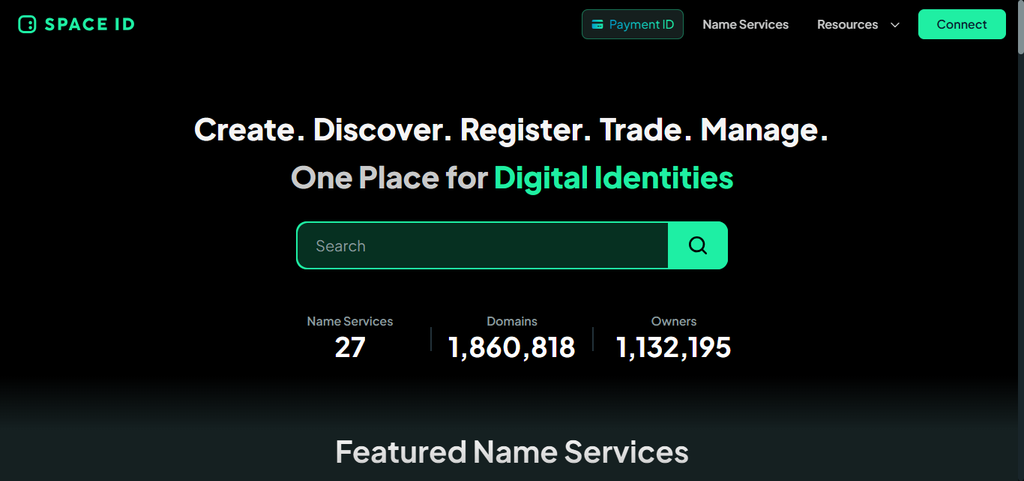
SPACE ID launched in 2022 and their creation comes at a time of rapid innovation with many Web3 multi-chain applications and the growth of decentralized identity services.
SPACE ID’s service connects the users of their service with their digital wallets, decentralized applications, various blockchains, and their digital identity.
Features & Pros Cons Explained
| Features | Pros | Cons |
|---|---|---|
| Multi-chain Web3 domains | Strong cross-chain positioning | Multi-chain systems add complexity |
| Domain registration | Simplifies blockchain naming | Availability varies across namespaces |
| Wallet integration | Improves address usability | Supported wallets can differ |
| Web3 identity | Useful for decentralized applications | Ecosystem adoption continues evolving |
| Community domains | Supports branded communities | Benefits depend on ecosystem participation |
| Naming infrastructure | Useful for developers | Technical integration may require expertise |
6. Freename
Freename offers customizable Web3 domains and identity solutions across blockchain ecosystems, allowing users to build their personal name spaces. From its foundation in 2021, Freename launched in November 2022, targeted primarily on Web3 solutions and blockchain enabled customized top-level domains.
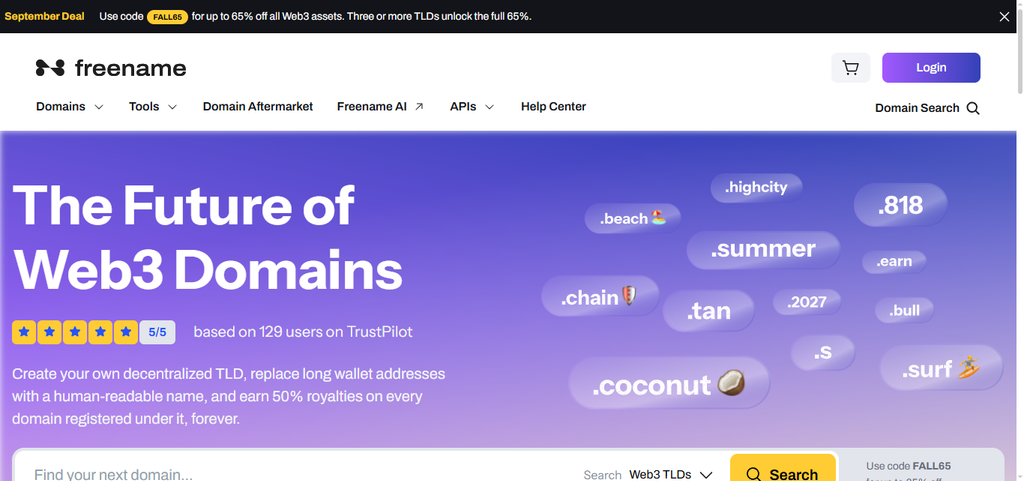
They later built cross-chain capabilities offering customization in the integration of traditional domain services. Freename is unique because of its pursuit of the integration of Web2’s domain name infrastructure with Web3’s identity systems.
Features & Pros Cons Explained
| Features | Pros | Cons |
|---|---|---|
| Custom Web3 domains | Highly customizable naming | Customization can confuse beginners |
| Blockchain-based identities | Supports decentralized branding | Standards continue evolving |
| Multiple blockchain support | Provides ecosystem flexibility | Cross-chain compatibility varies |
| Custom namespaces | Useful for businesses and communities | Requires strategic namespace management |
| Web3 domain ownership | Supports digital ownership | Blockchain management responsibilities remain |
| Web2/Web3 integration efforts | Bridges traditional and Web3 naming | Interoperability is still developing |
7. ENS Domain
ENS Domain is an independent developer resource and information system for Ethereum Name Service domains that is separate from the official ENS protocol.
Information presented contains registration, records, subnames, multi-chain addresses, decentralized websites, identity lookups, and API documentation. The website does not provide an official launch date.
The background of the site is to provide Ethereum Name Service domain information and tool and API based developer capabilities or service offerings. The platform explicitly notes that they are not aligned with ENS Labs, to highlight the distinction from official ENS services.
Features & Pros Cons Explained
| Features | Pros | Cons |
|---|---|---|
| ENS registration resources | Useful for ENS users | Not the official ENS protocol |
| Domain information | Helps users understand ENS | Information may require verification |
| Records and subnames | Supports technical research | Technical concepts can be complex |
| API resources | Useful for developers | Developers need blockchain knowledge |
| Website resources | Supports decentralized websites | Limited to ENS-related functionality |
| ENS-focused tools | Convenient ecosystem reference | Smaller scope than official ENS infrastructure |
8. ENS DAO
ENS DAO is the decentralized governance system for the Ethereum Name Service and the direction of its primary development. Unlike many other Web3 identity services, ENS DAO allows ENS token holders and delegates to engage in governance, finance, and strategic leadership for the protocol.
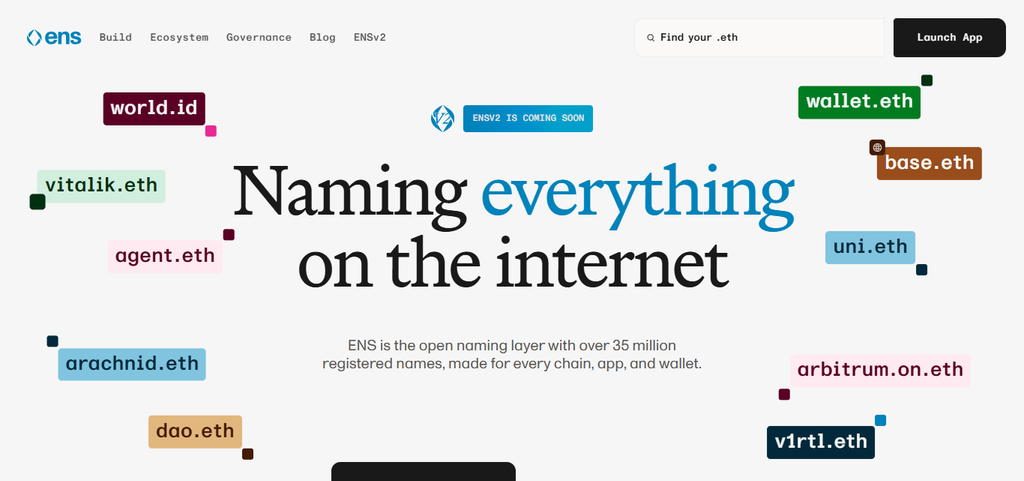
ENS DAO was formed in 2021 with the shift of ENS to community governance that was otherwiseserved by many years of development on the protocol in 2017.
The DAO and its role and presence in the ENS community demonstrate and provide the evolution of ENS to community-governed public infrastructure from the Ethereum Foundation.
Features & Pros Cons Explained
| Features | Pros | Cons |
|---|---|---|
| Decentralized governance | Community-driven decision making | Governance can be complex |
| ENS ecosystem funding | Supports ecosystem development | Decisions can take time |
| Delegate participation | Enables community representation | Requires governance knowledge |
| Proposal system | Transparent community processes | Participation may favor experienced users |
| Protocol stewardship | Supports long-term development | Not a conventional domain agency |
| Community ownership | Reduces centralized control | Governance outcomes can vary |
9. Para
Para offers Web3 wallet and identity infrastructure designed for making blockchain applications more user friendly. Para offers email and social media integrations along with embedded wallets and Web3 interfaces.
Para surfaced in the early 2020s as the industry began to simplify wallets and develop better consumer onboarding. Instead of becoming an ENS registrar, Para helps apps offer better experiences for identities and wallets for Web3 services. Para’s value stems from removing the technical barriers that have historically confronted novice users of blockchain identities.
Features & Pros Cons Explained
| Features | Pros | Cons |
|---|---|---|
| Email authentication | Simplifies Web3 onboarding | Adds reliance on authentication providers |
| Social login | Familiar user experience | Users should understand account security |
| Embedded wallets | Removes traditional wallet friction | Advanced users may prefer external wallets |
| Phone authentication | Convenient onboarding option | Phone-based authentication has security considerations |
| Developer infrastructure | Helps applications integrate Web3 | Primarily developer-focused |
| Identity and wallet experience | Makes Web3 easier for newcomers | Not primarily an ENS-domain marketplace |
10. ENS Explorer
Created in October 2025, ENS Explorer was announced as an Advanced ENS Identity Tool in the ENS Labs toolkit. The tool’s Alpha version launched to the public in February 2026 on Ethereum’s Sepolia. ENS Explorer was built as the ENS protocol evolved toward ENSv2, and as such, the need arose for more complex tools for developers and other advanced users.
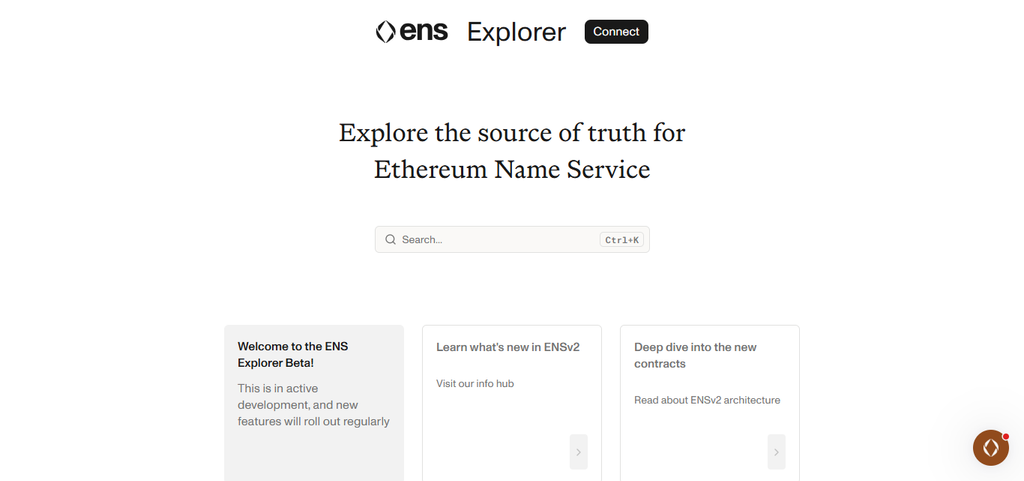
While the consumer-centric ENS App shows only basic information about the protocol, Explorer provides more detailed information and an extensive line of technical controls, providing great value to developers, power users, and those organizations who have significant ENS identities.
Features & Pros Cons Explained
| Features | Pros | Cons |
|---|---|---|
| ENS ownership inspection | Useful for advanced users | Technical interface can be intimidating |
| Resolver information | Helps analyze ENS configuration | Requires ENS knowledge |
| Historical records | Useful for research and auditing | Historical data can be complex |
| Advanced search | Speeds ENS investigation | Mainly valuable to power users |
| Filtering capabilities | Helps analyze large datasets | Less useful for casual registrants |
| Developer tools | Valuable for technical teams | Not designed as a simple domain registrar |
Conclusion
In Conclusion Choosing the right Best Web3 Identity and ENS Domain Agencies hinges on Personal requirements like budget, blockchain ecosystems, and identity goals, among others. Many companies like ENS, Namespace, ENSHaus
Unstoppable Domains, SPACE ID, and Freename have prowess in naming and digital identity. Digging into these companies’ features, pros, cons, and fits in the market should give individuals and companies peace of mind when deciding on the Web3 company that will best capture their web3 identity.
FAQ
An ENS domain converts complex Ethereum addresses into readable human-friendly names.
ENS is widely recognized as the leading Ethereum-based decentralized naming service.
Yes, ENS domains can simplify cryptocurrency payments using readable blockchain addresses.
Yes, Web3 domains can provide blockchain-based ownership and decentralized identity features.