

In this article, I’ll discuss the Best Lido Finance Alternatives for ETH Staking, highlighting some leading platforms for Ethereum staking, liquid staking and restaking.
I will break down their key features, supported assets, staking rewards, minimum deposits, fees, and DeFi integrations to help readers compare the different options and find a suitable platform for their Ethereum staking needs.
How we select the best Lido Finance alternatives for ETH staking
- Security & Reliability: smart contract audits, security of the validators, and reputation of the platform.
- Staking Rewards: How to earn, how rewards are distributed, possible APY.
- Minimum Staking Requirements: Minimum ETH deposits and accessibility for diverse investors.
- Supported assets: ETH, liquid staking tokens and restaking assets are available.
- DeFi Support: Support for lending, borrowing, trading and liquidity protocols.
- Fees & Costs: Withdrawal fees, transaction fees, staking commissions.
- Accessibility of the platform: wallets, supported networks and ease of use.
- Liquidity & Flexibility: Transferability of tokens, redemption options and withdrawal flexibility.
Key Points & Best Lido Finance Alternatives for ETH Staking
| Platform | Explanation |
|---|---|
| Rocket Pool | Offers decentralized Ethereum staking with permissionless node operation and liquid staking tokens. |
| Ether.fi | Provides non-custodial Ethereum staking, liquid restaking, and additional DeFi earning opportunities. |
| StakeWise | Enables Ethereum staking through liquid tokens, flexible strategies, and decentralized infrastructure. |
| Binance Staked ETH | Provides liquid Ethereum staking with BETH tokens and integrated exchange-based earning opportunities. |
| Coinbase | Offers accessible Ethereum staking with institutional-grade custody and straightforward reward management services. |
| Kelp DAO | Enables liquid restaking through rsETH, connecting Ethereum assets with decentralized restaking opportunities. |
| Puffer Finance | Provides permissionless Ethereum liquid restaking with enhanced security and decentralized validator infrastructure. |
| Frax Finance | Offers frxETH liquid staking, validator infrastructure, and integrated decentralized finance opportunities. |
| Stake DAO | Provides Ethereum staking strategies, liquid staking integrations, and automated DeFi yield optimization. |
| Bedrock | Supports multi-asset liquid staking with wrapped tokens and decentralized yield opportunities. |
10 Best Lido Finance Alternatives for ETH Staking
1. Rocket Pool
Rocket Pool is a decentralized Ethereum liquid staking protocol that lets users earn ETH rewards without running their own validators. The main assets it supports are ETH, rETH and RPL. rETH is a token that represents ETH deposited plus staking rewards earned. Staking rewards APY is not fixed. It is contingent upon validator performance, network conditions and applicable commissions.
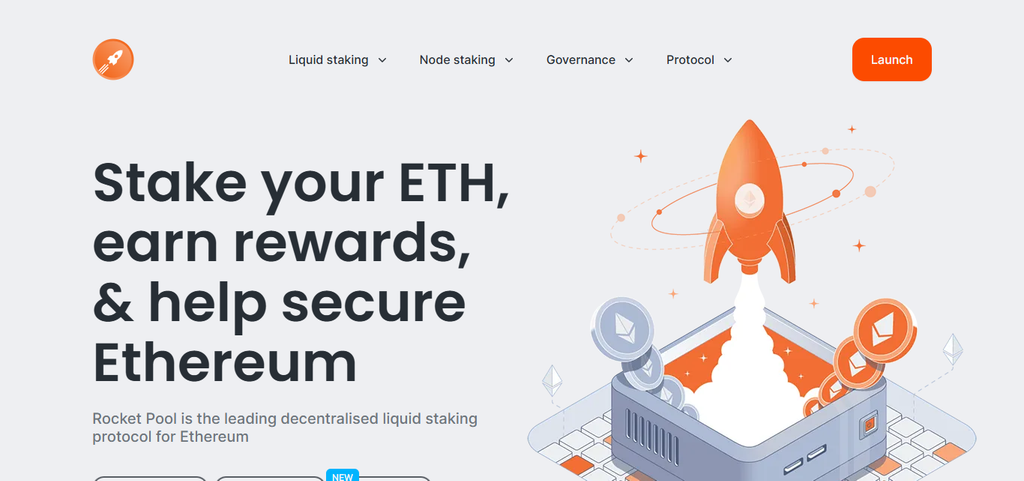
Smaller investors can easily get involved, with the minimum staking requirement being just 0.01 ETH. Users can use rETH in DeFi apps for lending, trading and providing liquidity. Rocket Pool does not charge direct staking fees to ordinary depositors, but variable fees are paid to node operators. Its wallet-based accessibility is provided by its permissionless, non-custodial infrastructure.
Rocket Pool
- Node Operator: Requires 4 ETH per validator in the Megapool currently
- Staking Access: You can stake ETH without running your own validator.
- Flexibility: No lockup period for staking; rETH can be traded or redeemed depending on liquidity.
Rocket Pool Key Feature
| Key Feature | Explanation |
|---|---|
| Decentralized Staking | Enables users to stake ETH without relying on centralized intermediaries or custodians. |
| Liquid Staking | Issues rETH tokens representing deposited ETH and accumulated staking rewards. |
| Permissionless Node Operation | Allows eligible participants to operate Ethereum validators through its decentralized node network. |
| DeFi Compatibility | Supports rETH integration with decentralized exchanges, lending platforms, and liquidity protocols. |
2. Ether.fi
Ether.fi is a non-custodial Ethereum liquid and restaking protocol that enables users to earn yield on their ETH while maintaining access to their assets. It primarily supports ETH, eETH and weETH which are staked and restaked Ethereum positions. The rewards from staking come from the work of Ethereum validators and other restaking possibilities. The rates vary depending on how the network performs.

As the minimum deposit varies depending on the staking interface and supported transaction path, users are advised to check the amount before confirming. Its DeFi integrations enable lending, borrowing, trading and collateral use cases. Fees vary depending on the product and transaction. Users can find Ether.fi on its website and supported wallets.
Ether.fi
- Minimum Deposit: Varies depending on the staking product and deposit method chosen.
- Staking Access: Users can deposit ETH via the Ether.fi staking interface.
- Liquid Staking: Depositors get eETH or can use supported weETH routes.
- Requirement: Test minimum applicable on live deposit interface.
Ether.fi Key Feature
| Key Feature | Explanation |
|---|---|
| Non-Custodial Staking | Allows users to stake ETH while maintaining greater control over their assets. |
| Liquid Staking | Provides eETH and weETH tokens representing Ethereum staking positions. |
| Liquid Restaking | Connects Ethereum staking with additional restaking opportunities through supported infrastructure. |
| DeFi Integration | Enables weETH utilization across supported lending, trading, and decentralized finance applications. |
3. StakeWise
StakeWise is a decentralized liquid staking protocol that seeks to simplify the staking of Ethereum and enable users to retain their liquidity. Mainly supporting ETH, osETH and GNO-related staking assets like osGNO. Users who stake eligible ETH receive osETH, which reflects their staked position, and the rewards are generated by validator operations.

Staking rewards are dependent on validator performance, network state and individual vault configurations. You can stake any amount of ETH with the platform’s staking interface, subject to applicable transaction requirements.
The DeFi integrations open up lending, trading and liquidity opportunities for osETH holders. Fees differ per vault operator and parameters of the protocol. Users can participate via the StakeWise decentralized application and compatible wallets.
StakeWise
- Minimum Deposit: There is no minimum deposit rule that applies to all. It is contingent upon the staking vault you choose.
- Staking Access: Users can deposit ETH via supported vaults.
- Liquid Staking: Eligible deposits yield osETH as liquid stake token.
- Requirement: Check each vault conditions and transactions requirements.
StakeWise Key Feature
| Key Feature | Explanation |
|---|---|
| Liquid Staking | Allows users to stake ETH and receive liquid staking tokens. |
| Vault-Based Staking | Provides multiple vaults with different operators and staking configurations. |
| osETH Token | Issues osETH, representing eligible staked ETH positions for DeFi usage. |
| DeFi Opportunities | Supports lending, collateral utilization, and additional yield strategies through integrations. |
4. Binance Staked ETH
Binance Staked ETH is a centralized Ethereum staking service provided by the Binance exchange, enabling users to earn staking rewards without the need to operate their own validators. Supported assets include ETH, BETH and WBETH, which are staked Ethereum positions and related rewards from various versions of the product.
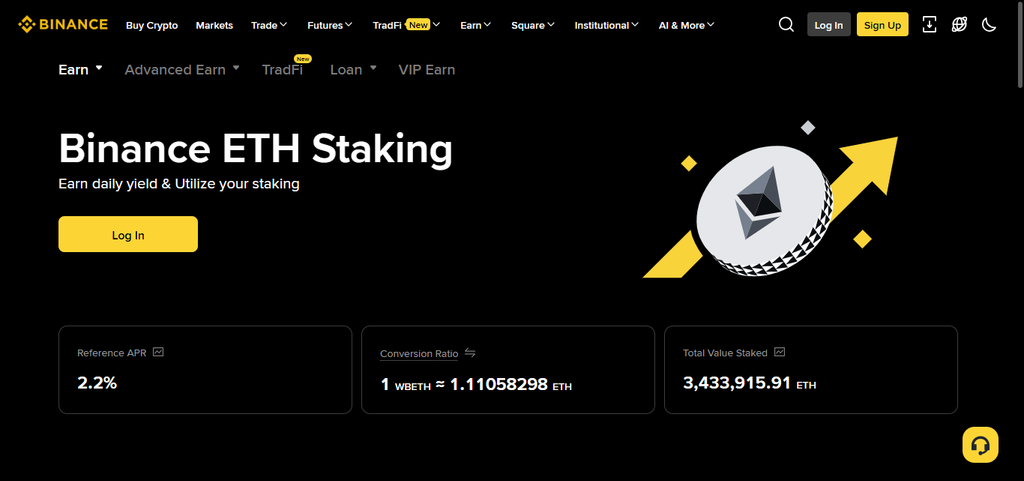
The staking rewards are subject to the performance of the Ethereum network and applicable reward distribution arrangements of Binance. The minimum amount to stake on Binance is listed as 0.0001 ETH, however availability may vary by product and region.
WBETH can be sent, traded and used in supported DeFi applications. Binance’s published documentation states that it takes a standard 10% commission on ETH staking rewards. Users can stake via the Binance website and mobile app.
Binance ETH Staking
- Minimum Deposit: Varies based on the ETH staking product and regional availability.
- Staking access: Users stake ETH from their Binance account.
- Eligibility: Minimums are subject to change based on promotions and product availability.
- Requirement: Double check the Binance ETH staking interface before deposit.
Binance Staked ETH Key Feature
| Key Feature | Explanation |
|---|---|
| Centralized Staking | Provides Ethereum staking services through Binance’s centralized cryptocurrency exchange. |
| Liquid Staking Tokens | Supports BETH and WBETH for representing eligible staked Ethereum positions. |
| Reward Distribution | Distributes staking rewards according to applicable Ethereum staking product conditions. |
| Exchange Integration | Connects staking assets with supported Binance trading and financial services. |
5. Coinbase
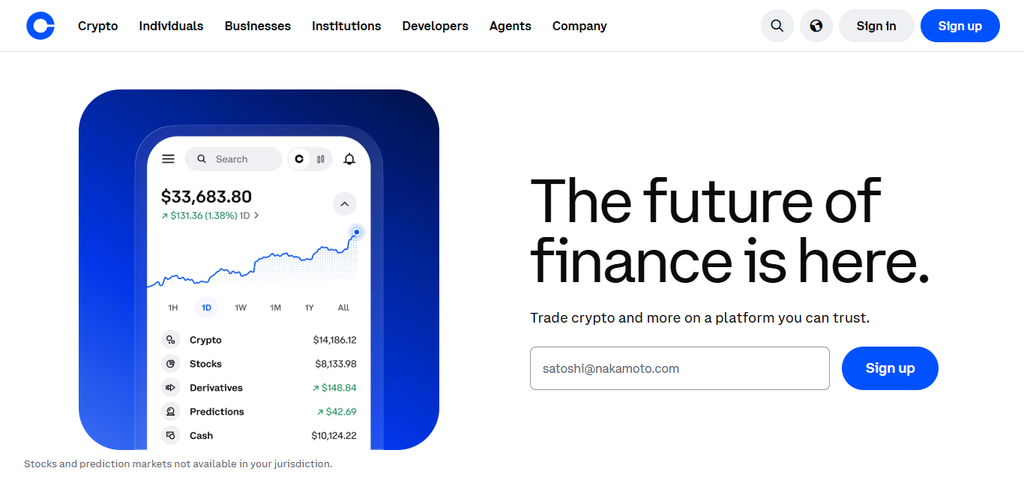
Through its centralized crypto exchange, Coinbase offers Ethereum staking services, which make it easy to earn rewards without having to run validator infrastructure. Its supported assets are ETH and cbETH, with Coinbase Wrapped Staked ETH qualifying staked Ethereum positions in transferable form.
The rewards are paid depending on how the Ethereum network is performing, and according to Coinbase’s reward schedule. Regular Coinbase staking doesn’t have a minimum ETH deposit, so smaller investors can get in on the action as well.
cbETH integrations include trading and other compatible applications to access supported DeFi opportunities. Coinbase typically charges a 35% fee on ETH staking rewards as part of its standard fees. Staking is available on its website and mobile app, where it is eligible in certain regions.
Coinbase
- Minimum Deposit: There is no minimum ETH deposit advertized for standard staking.
- Staking Eligibility: Verified users can stake ETH via Coinbase accounts.
- Participation: Users don’t need to run their own individual Ethereum validators.
- Available only to eligible accounts and may be subject to regional restrictions.
Coinbase Key Feature
| Key Feature | Explanation |
|---|---|
| Simplified Staking | Allows eligible customers to stake ETH through an accessible exchange interface. |
| Liquid Staking Token | Provides cbETH, representing eligible staked Ethereum positions in transferable form. |
| Reward Management | Distributes staking rewards according to network performance and applicable platform conditions. |
| Trading Accessibility | Integrates staking services with Coinbase’s supported cryptocurrency trading ecosystem. |
6. Kelp DAO
Kelp DAO is a liquid restaking protocol for Ethereum holders to earn additional restaking opportunities, without losing liquidity. The primary supported assets are ETH and rsETH, where rsETH is a liquid restaked position collateralized by the underlying restaked assets. Rewards may be from Ethereum staking and eligible restaking, depending on the operators and reward programs they participate in.
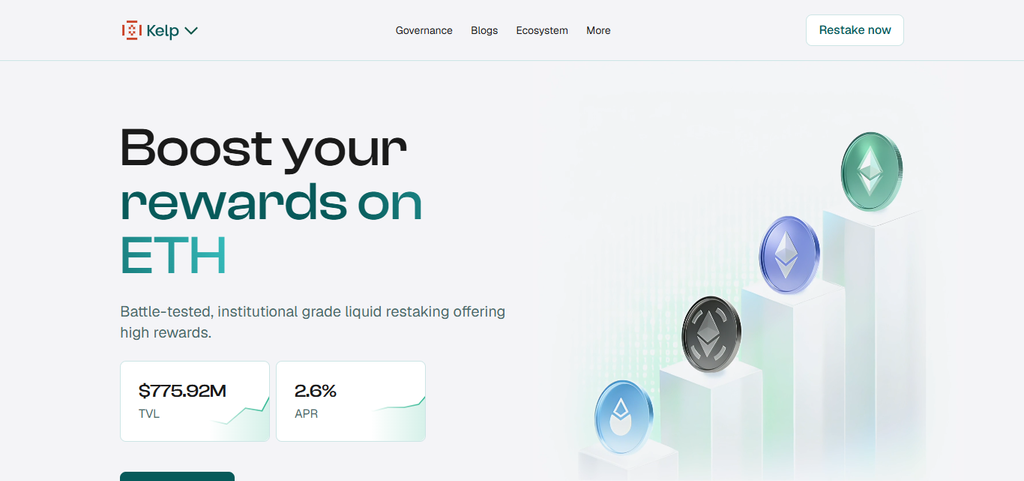
The minimum deposit is dependent on the asset, network and existing deposit route chosen, it is important for users to check the requirements before taking part. rsETH holders can use DeFi integrations to access lending, borrowing, trading and liquidity opportunities across supported ecosystems.
The fees can include protocol charges and transaction fees on the blockchain. Kelp DAO is accessible through its decentralized application and compatible wallets.
Kelp DAO
- Minimum Deposit: Depends on asset and deposit channel supported.
- Access to staking: Users can stake eligible ETH or supported liquid staking tokens.
- Liquid Restaking: Eligible deposits can mint rsETH.
- Requirement: Check minimum amounts on selected network and deposit interface.
Kelp DAO Key Feature
| Key Feature | Explanation |
|---|---|
| Liquid Restaking | Enables users to access additional restaking opportunities using eligible Ethereum assets. |
| rsETH Token | Issues rsETH, representing liquid restaked positions backed by underlying assets. |
| Multi-Protocol Integration | Connects restaked assets with supported decentralized finance applications and ecosystems. |
| DeFi Opportunities | Supports lending, borrowing, liquidity provision, and other compatible DeFi strategies. |
7. Puffer Finance
Puffer Finance is a liquid restaking protocol on Ethereum aiming to improve validator accessibility and unlock new opportunities within decentralized infrastructure. Supported assets include ETH and pufETH representing Ethereum staking and liquid restaking positions. Users can receive rewards from Ethereum staking and eligible restaking activities, but actual returns will vary based on validator performance and relevant reward programs.

Deposit requirements will differ based on the staking product and transaction terms, so users are encouraged to check the interface before depositing. Eligible liquid restaking tokens can participate in supported liquidity markets and decentralized applications through DeFi integrations.
Fees are dependent on protocol parameters, validator operations, and transaction costs. Users can access Puffer Finance using its decentralized application with a wallet.
Puffer Finance
- Minimum Deposit: Depends on the current staking product and the supported deposit route.
- Staking Access: Users can deposit eligible ETH via the Puffer application.
- Liquid Restaking: Mint pufETH for deposits.
- Note: Check for current deposit limits and network transaction requirements before staking.
Puffer Finance Key Feature
| Key Feature | Explanation |
|---|---|
| Liquid Restaking | Combines Ethereum staking with additional restaking opportunities through supported infrastructure. |
| pufETH Token | Provides pufETH as a liquid representation of eligible staking positions. |
| Permissionless Infrastructure | Supports decentralized validator participation through its Ethereum staking ecosystem. |
| DeFi Compatibility | Enables supported liquid staking assets to access decentralized finance applications. |
8. Frax Finance
Frax Finance enables liquid staking on the Ethereum blockchain via its Frax Ether ecosystem, enabling users to earn staking rewards while still having access to liquid assets. Its primary supported assets are ETH, frxETH and sfrxETH, with sfrxETH being the reward-accruing staking position.
The majority of the Ethereum validator rewards go to sfrxETH holders, while the protocol keeps a portion for ecosystem fees and for its insurance fund. Users can stake any amount of ETH via its liquid staking option, provided they meet transaction requirements.

FrxETH and sfrxETH holders can experiment with lending, trading and liquidity opportunities through DeFi integrations. Published reward allocation includes 8% protocol fee and 2% insurance allocation. Users connect to Frax via compatible wallets and decentralized applications.
Frax Finance (FRAX)
- Minimum Deposit: There is no minimum across all Frax Ether deposit path.
- Staking Access: Users are able to deposit ETH through supported Frax Ether contracts.
- Liquid Staking: Depositors can receive frxETH and gain access to sfrxETH staking.
- Requirement: Check interface, transaction requirements selected prior to deposit.
Frax Finance Key Feature
| Key Feature | Explanation |
|---|---|
| Liquid Staking | Allows users to participate in Ethereum staking through its Frax Ether ecosystem. |
| frxETH Token | Provides frxETH as a liquid Ethereum staking-related asset. |
| sfrxETH Vault | Allows users to deposit frxETH into a reward-accruing staking vault. |
| DeFi Integration | Connects Frax staking assets with supported decentralized exchanges and lending protocols. |
9. Stake DAO
Stake DAO is a decentralized finance platform that offers staking, yield optimization, and automated strategies across supported blockchain ecosystems. Its Ethereum-based products provide access to liquid staking and DeFi strategies through integrated protocols and compatible assets. Supported assets Supported assets will depend on the vault or strategy selected.
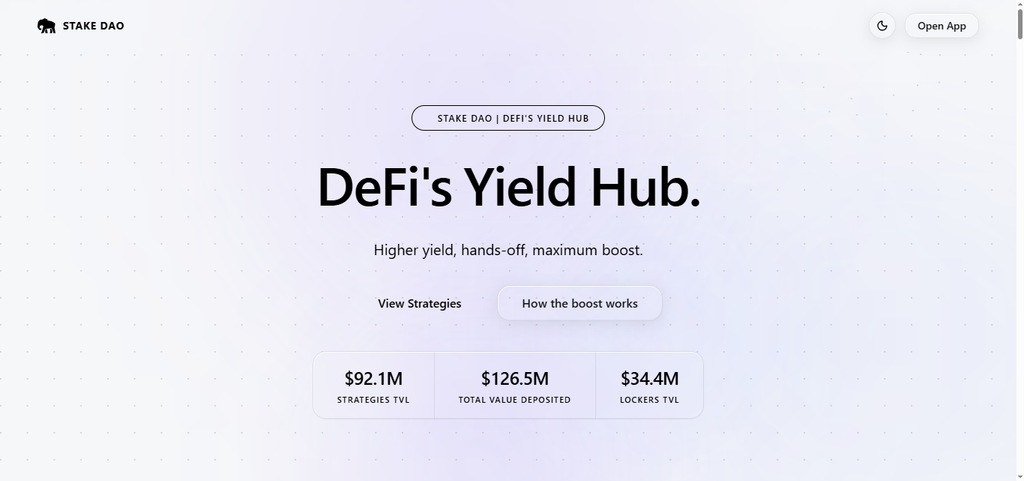
Supported assets may include ETH and liquid staking derivatives such as stETH and other supported tokens. There is no guarantyd return but rewards will vary according to underlying staking yields, strategy performance and additional DeFi opportunities.
Minimum staking amounts depend on the vault and the terms of the deposit. DeFi integrations enable liquidity provision, automated yield strategies, asset management, etc. The fees will depend on the strategy selected and the performance arrangements agreed. Users can access via its website and compatible wallets.
Stake DAO
- Minimum Deposit: This will depend on the vault or staking strategy you choose.
- Staking Access: Users can deposit supported assets into qualifying Stake DAO strategies.
- Participation: Minimums are determined by vault settings and underlying protocols.
- Check out the individual vault deposit terms before you participate.
Stake DAO Key Feature
| Key Feature | Explanation |
|---|---|
| Automated Strategies | Provides automated DeFi strategies designed to optimize supported asset yields. |
| Staking Integration | Connects users with staking and liquid staking opportunities across supported protocols. |
| Yield Optimization | Offers vault-based strategies for managing and optimizing decentralized finance positions. |
| DeFi Accessibility | Integrates supported assets with liquidity markets and decentralized applications. |
10. Bedrock
Bedrock is a multi-asset liquid staking protocol offering Ethereum staking and other decentralized finance opportunities. uniETH is its principal Ethereum staking asset, which represents deposited ETH and the staking rewards generated on it, shown by the increasing token value.
Rewards are based on Ethereum validator performance and any applicable restaking rewards. You can deposit ETH with Bedrock with no minimum, but the docs suggest you deposit at least 0.01 ETH to make it worth your while.
uniETH holders can explore DeFi integrations like decentralized exchanges, liquidity provision and yield opportunities supported. Instead of a flat fee on deposits, the protocol charges a staking pool fee on staking rewards. Users can access Bedrock via its website and compatible wallets, such as MetaMask.
Bedrock
- Minimum Deposit: No mandatory minimum at the protocol level; 0.01 ETH is recommended.
- Staking Access: Users can deposit ETH through Bedrock’s uniETH interface.
- Liquid Staking: Eligible deposits generate uniETH representing staked ETH and rewards.
- Requirement: Ethereum Mainnet ETH is required for direct uniETH deposit
Bedrock Key Feature
| Key Feature | Explanation |
|---|---|
| Multi-Asset Staking | Supports staking products across multiple crypto assets and blockchain ecosystems. |
| Liquid Staking | Provides uniETH for representing eligible Ethereum staking positions and rewards. |
| Restaking Opportunities | Connects supported staking assets with additional decentralized restaking strategies. |
| DeFi Integration | Enables compatible staking tokens to access liquidity and decentralized finance opportunities. |
Conclusion
To wrap it up, The Best Lido Finance Alternatives For ETH Staking are chosen based on your desired rewards, security, liquidity, and DeFi needs. Platforms like Rocket Pool, Ether.fi, StakeWise, and Frax Finance provide diverse staking opportunities and features.
Compare minimum deposits, fees, supported assets and withdrawal conditions before deciding on a platform to make sure you find a suitable Ethereum staking solution that matches your investment goals and risk tolerance.
FAQ
Rocket Pool, Ether.fi, StakeWise, Coinbase, Binance Staked ETH, and Frax Finance are popular alternatives.
Rocket Pool, StakeWise, Ether.fi, and Frax Finance offer liquid staking options.
Some platforms offer flexible minimum deposits, depending on their staking products and transaction requirements.
Ether.fi, Kelp DAO, StakeWise, Rocket Pool, and Frax Finance support DeFi integrations.