
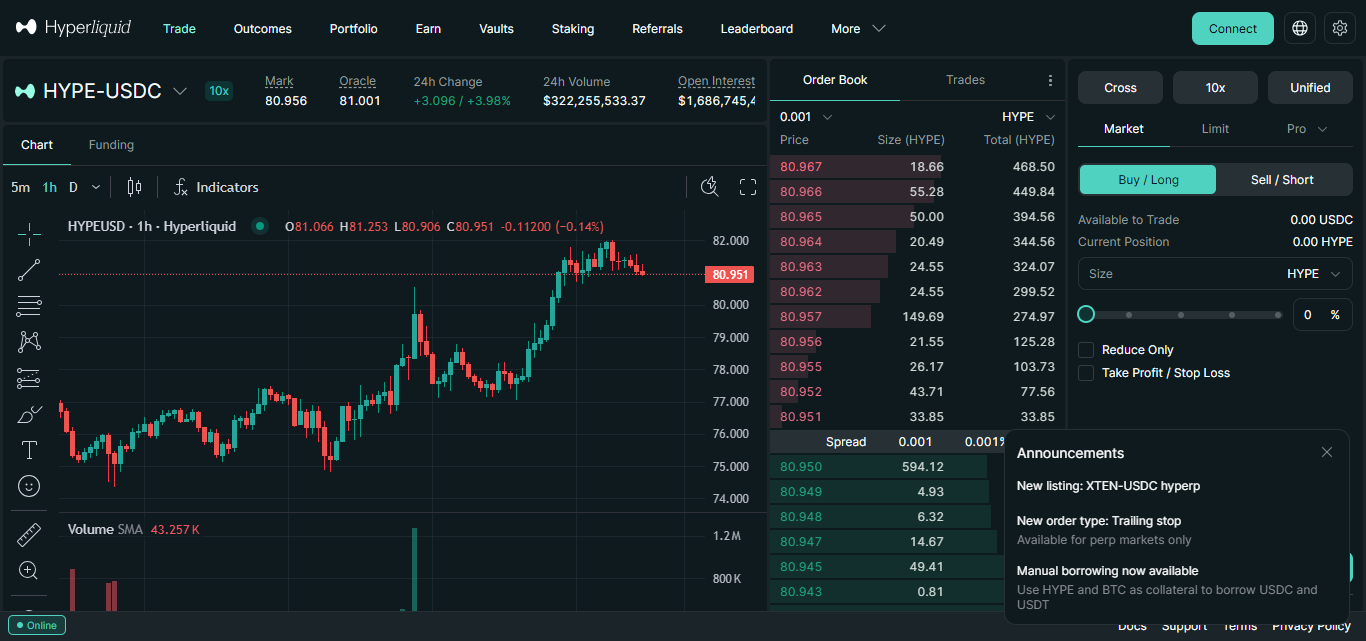

In this article I will talk about the Best Hyperliquid Alternatives for On-Chain Perps, and highlight the top decentralized trading platforms for perpetual futures. We’ll talk about their main features, the blockchains they support, their leverage options, trading fees, supported assets and their unique advantages.
This kind of comparison will help traders see how dYdX, GMX, Aster, Lighter and others stack up when choosing an on-chain perpetual trading exchange.
Key Points & Best Hyperliquid Alternatives for On-Chain Perps
| Hyperliquid Alternative | Explanation |
|---|---|
| dYdX | Offers decentralized perpetual trading with advanced order types, deep liquidity, and professional trading tools. |
| GMX (V2) | Provides decentralized perpetual trading with liquidity pools, leverage options, and transparent on-chain execution. |
| Aster | Offers perpetual futures trading with multiple markets, leverage options, and flexible trading features. |
| Lighter | Delivers on-chain perpetual trading with an order book designed for efficient execution. |
| Jupiter Perps | Enables leveraged perpetual trading on Solana, integrating liquidity and user-friendly decentralized trading features. |
| Drift Protocol | Combines perpetual futures, spot markets, lending, and borrowing within Solana’s decentralized trading ecosystem. |
| Vertex Protocol | Combines decentralized perpetuals, spot trading, and money markets with integrated risk management tools. |
| Ostium | Enables on-chain perpetual trading for traditional assets, including forex, commodities, and global indices. |
| GRVT | Combines self-custody with hybrid exchange infrastructure to deliver privacy-focused perpetual trading experiences. |
| Aevo | Provides decentralized derivatives trading, including perpetual futures and options, through an order-book interface. |
10 Best Hyperliquid Alternatives for On-Chain Perps
1. dYdX
dYdX is a decentralized perpetual trading platform built on its own dYdX Chain, powered by the Cosmos SDK. It is designed for traders who require professional order-book execution. The main markets are cryptocurrency perpetual futures, and the availability of assets is subject to ongoing listings.
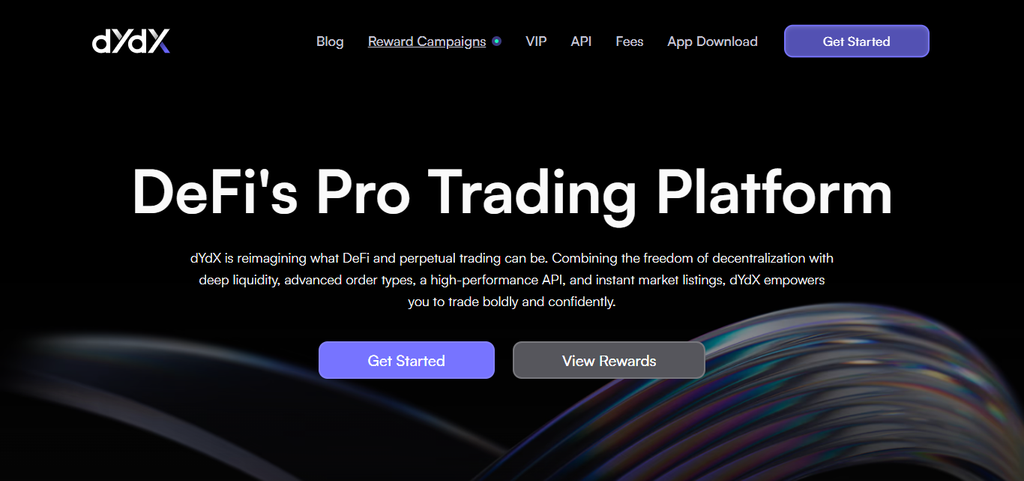
Leverage limits are dynamic and depend on market conditions and risk parameters; traders should check the live trading interface for current details.
The fee structure follows a maker/taker model, with fees varying based on trading volume and corresponding fee tiers, instead of a single flat rate. dYdX is suitable for active crypto traders looking for advanced order types, clear trading rules, and decentralized derivatives infrastructure.
dYdX Feature
| Feature | Key Details |
|---|---|
| Order Book Trading | Supports professional perpetual trading with advanced order types. |
| Decentralized Infrastructure | Operates on its own Cosmos SDK-based dYdX Chain. |
| Risk Management | Uses market-specific margin requirements and liquidation parameters. |
| Trading Tools | Offers crypto derivatives, trading interfaces, and market data APIs. |
2. GMX (v2)
GMX V2 operates on Arbitrum, Avalanche and other supported deployments and provides oracle priced perpetual trading with liquidity pools instead of a traditional order book. Supported markets include BTC, ETH, altcoins, and select traditional assets such as gold, silver, oil and US equities.
Maximum leverage up to 100x on eligible markets, but limits vary per asset. GMX charges position fees of 0.04% or 0.06% depending on whether the trade improves the market open-interest balance, plus possible funding, borrowing, price impact and network costs. Best for traders who want pool-based execution and exposure to a variety of crypto and traditional assets.
GMX (V2) Feature
| Feature | Key Details |
|---|---|
| Liquidity Pools | Uses GM and GLV pools to facilitate perpetual trading. |
| Oracle-Based Pricing | Uses oracle prices to determine market values and liquidations. |
| Multiple Markets | Supports cryptocurrencies and selected traditional financial assets. |
| Leverage Trading | Offers up to 100x leverage on eligible markets. |
3. Aster
Aster is a decentralized exchange. It has multichain trading infrastructure supporting BNB Chain, Arbitrum, Ethereum, and Solana. It has markets for cryptocurrencies, stocks, forex, commodities and other products. Leverage depends on the contract chosen and risk limits in force at the time and traders should check the maximum before entering into trades.
USDT perpetuals offer a fee schedule of 0% maker fee and 0.04% taker fee, while USD1 perpetuals have 0% maker and 0.005% taker fees, with possible discounts. Best for traders who want multichain access, diverse markets, privacy features and flexible leveraged trading.
Aster Feature
| Feature | Key Details |
|---|---|
| Privacy-Focused Trading | Provides privacy features designed to protect sensitive order information. |
| Multiple Trading Modes | Offers perpetuals, spot trading, and simplified leveraged trading interfaces. |
| Diverse Markets | Supports cryptocurrencies, stocks, commodities, and other listed markets. |
| Advanced Infrastructure | Uses dedicated blockchain infrastructure designed for private perpetual trading. |
4. Lighter
Lighter is an on-chain derivatives exchange, built for order-book trading and efficient transaction execution. You should check its current official documentation and trading interface to verify its supported blockchain infrastructure, available perpetual markets, and listed assets.
The capacity to leverage is specific to the market, collateral, and risk parameters. Remember that maker and taker fees are based on the trading activity of the account and the current fee policy of the platform, so don’t assume a universal rate.
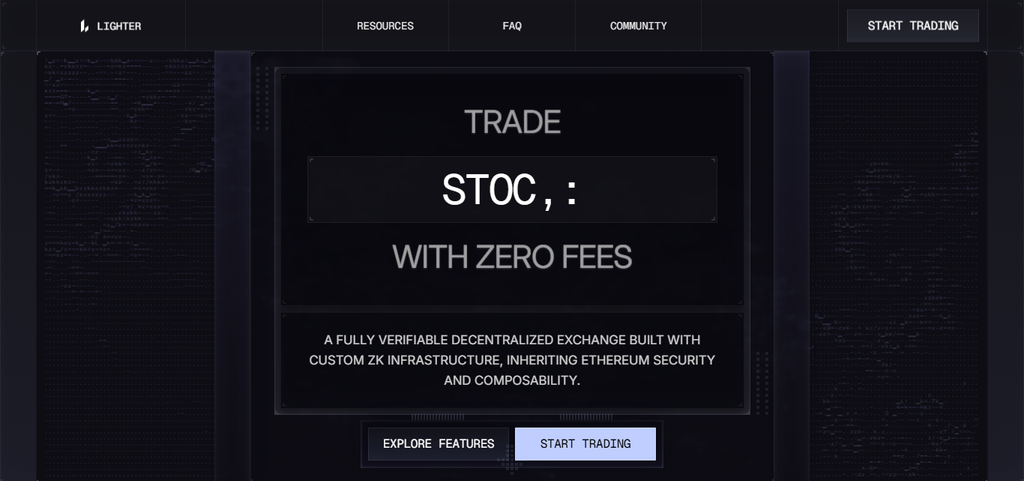
Lighter will be the best option for traders looking for order-book execution, responsive trading infrastructure and a decentralized alternative to centralized perpetual futures exchanges. Compare trading costs, looking at the fees today.
Lighter Feature
| Feature | Key Details |
|---|---|
| Order Book System | Provides order-book-based trading for perpetual futures. |
| Trading Efficiency | Focuses on fast execution and scalable trading infrastructure. |
| Fee Structure | Check current maker and taker fees for applicable trading tiers. |
| Market Access | Offers listed trading markets through its decentralized exchange interface. |
5. Jupiter Perps
Jupiter Perps is a leveraged perpetual built on Solana and uses the Jupiter Liquidity Provider (JLP) pool. Supported markets include BTC, ETH and SOL perpetuals, with more listings expected as the platform expands. Maximum leverage can be up to 100x on eligible markets but lower leverage is generally more suitable to manage the risk of liquidation.
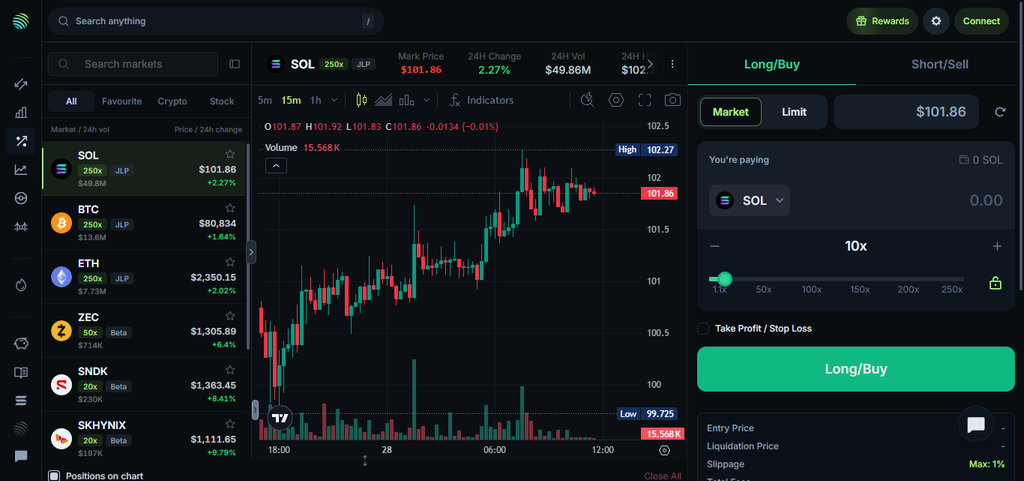
These are reported 0.06% opening and closing fee, plus possible price-impact and borrowing costs. Its pool-based model doesn’t fit the conventional maker/taker fees. Jupiter Perps is ideal for Solana users wanting simple liquidity pool exposure to the leading cryptocurrencies.
Jupiter Perps Feature
| Feature | Key Details |
|---|---|
| Solana Integration | Operates within Solana’s decentralized finance ecosystem. |
| Liquidity Pool Model | Uses Jupiter Liquidity Provider pools for perpetual trading. |
| Leveraged Positions | Enables leveraged exposure to supported cryptocurrency markets. |
| Trading Costs | Includes opening fees, borrowing costs, and potential price impact. |
6. Drift Protocol
Drift Protocol is a Solana-based protocol that utilizes an on-chain order book, just-in-time liquidity auctions and automated market maker. It supports BTC, ETH, SOL and a host of altcoin and memecoin perpetual contracts, spot trading and other DeFi products. Big perpetual markets might provide leverage up to ~ 20x, but smaller assets usually have less.
The maker and taker fees depend on the trading level and the fee structure. There could be other costs as well, for example funding payments. Drift is perfect for Solana traders looking for alternative crypto markets, flexible order execution and integrated decentralized trading tools.
Drift Protocol Feature
| Feature | Key Details |
|---|---|
| Hybrid Trading Model | Combines an on-chain order book with automated market-making mechanisms. |
| Multiple Products | Supports perpetual futures, spot trading, lending, and borrowing. |
| Solana Ecosystem | Integrates with Solana-based tokens and decentralized applications. |
| Risk Management | Uses collateral requirements, liquidation mechanisms, and market-specific risk controls. |
7. Vertex Protocol
Vertex Protocol combines spot trading, money markets and perpetual futures into one trading infrastructure. Availability can change so check the active platform documentation for its blockchain deployments, supported markets and available assets. The amount of leverage you can get depends on the market, the collateral you have and the risk settings.
Maker and Taker fees are affected by trading schedule and the overall cost to hold positions can be affected by funding and borrowing costs. Vertex is a great choice for traders looking for an integrated decentralized exchange with derivatives, spot markets, and lending functionality. Before selecting a trading option, please be sure that the particular deployment is still running.
Vertex Protocol Feature
| Feature | Key Details |
|---|---|
| Integrated Exchange | Combines spot trading, perpetual futures, and money markets. |
| Order Book Trading | Supports order-book-based execution for derivatives and spot markets. |
| Capital Efficiency | Integrates trading and borrowing functionality within its exchange architecture. |
| Risk Controls | Applies collateral and margin requirements to leveraged positions. |
8. Ostium
Ostium runs on Arbitrum and offers on-chain perpetual contracts on traditional and cryptocurrency markets. The supported assets are forex pairs, commodities like gold and oil, stock indices, some equities and cryptocurrencies. Eligible markets can be leveraged up to 200x, but actual limits vary depending on the instrument and trading conditions.
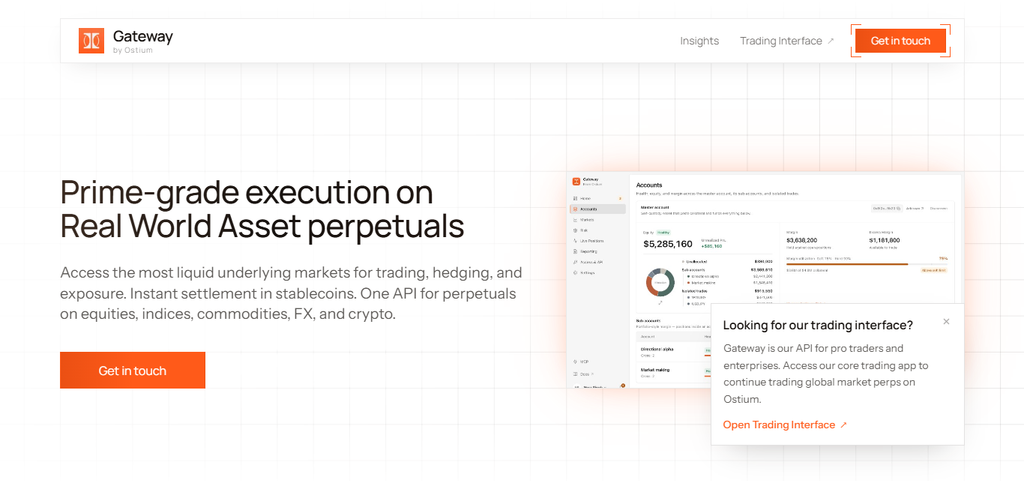
Its fee model is typically an opening fee not a traditional closing fee with continued funding costs for crypto and rollover costs for traditional assets. Traditional maker/taker rates are not the main pricing model. If you’re a trader who wants decentralized access to global financial markets and crypto exposure, Ostium is the best.
Ostium Feature
| Feature | Key Details |
|---|---|
| Real-World Asset Exposure | Offers perpetual contracts tracking selected traditional financial markets. |
| Diverse Markets | Includes forex, commodities, equity indices, and cryptocurrencies. |
| Oracle-Based Trading | Uses pricing infrastructure to track underlying market values. |
| Global Market Access | Enables on-chain leveraged exposure to selected traditional assets. |
9. GRVT
GRVT uses ZKsync based infrastructure and leverages combined self custody and hybrid exchange technology for derivatives trading. It offers cryptocurrency perpetual futures and options, along with other products, as available on current listings. * Maximum leverage and supported assets vary by contract, check the relevant market specifications before trading.
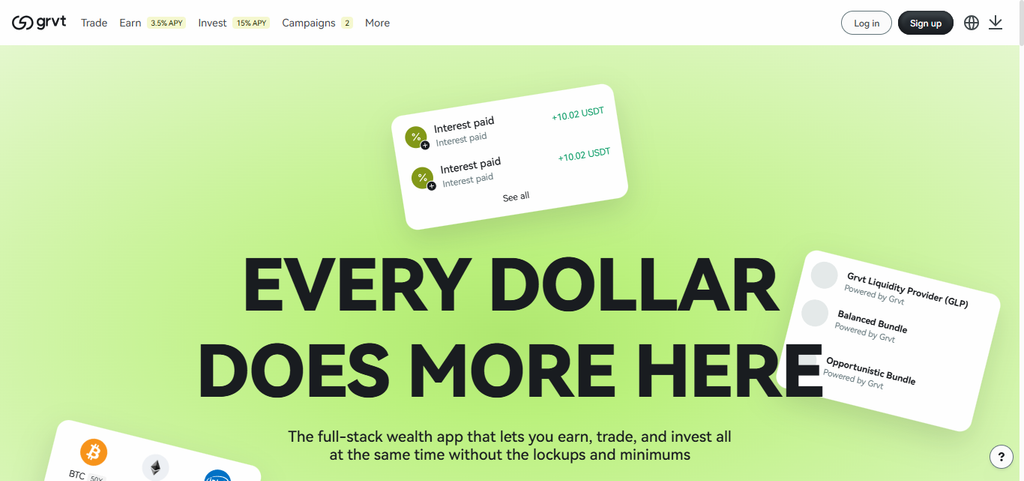
On its base tier, the perpetual fees are approximately -0.0001% maker and 0.045% taker, with different rates at volume-based tiers. Total costs can be impacted by funding payments and withdrawal fees as well. GRVT is best for traders who want privacy-oriented trading infrastructure, self-custody, and an exchange experience that combines decentralized settlement with centralized-style performance.
GRVT Feature
| Feature | Key Details |
|---|---|
| Hybrid Architecture | Combines decentralized custody principles with centralized-style trading performance. |
| Self-Custody | Designed to let users retain control over their assets. |
| Derivatives Trading | Supports cryptocurrency perpetual futures and options. |
| Privacy Infrastructure | Incorporates zero-knowledge technology into its trading architecture. |
10. Aevo
Aevo is a decentralized derivatives exchange that trades perpetual futures and options using an order book interface. Its infrastructure has used Ethereum-related rollup technology, but the currently supported networks and settlement arrangements should be confirmed via official documentation. The supported assets are based on active market listings, primarily derivatives on cryptocurrencies.
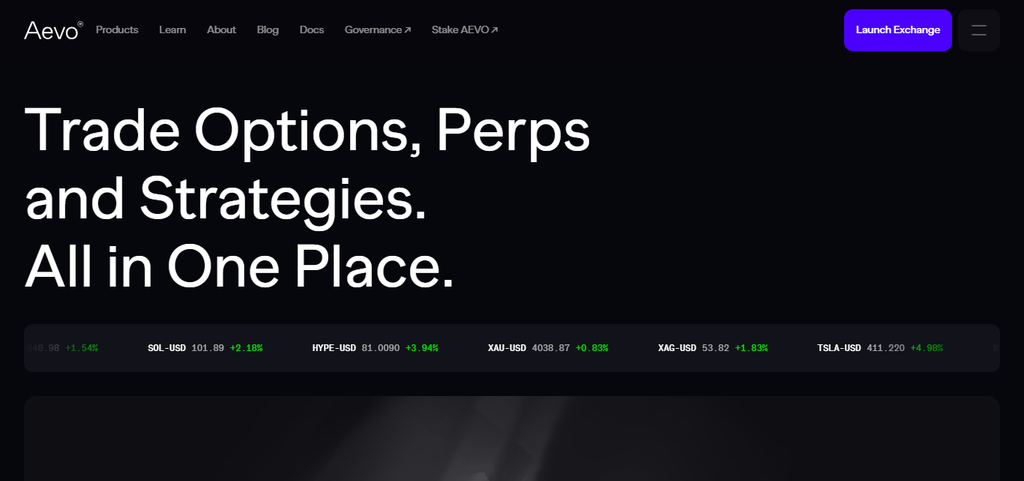
The maximum leverage is determined by the contract and market risk and should not be viewed as a single figure across the platform. The maker and taker fees are schedule dependent and are subject to change. Aevo is best for experienced traders looking to access crypto perpetuals and options in a derivatives-focused trading environment.
Aevo Feature
| Feature | Key Details |
|---|---|
| Derivatives Focus | Specializes in perpetual futures and options trading. |
| Order Book Interface | Provides an order-book-based interface for derivatives traders. |
| Layer 2 Infrastructure | Uses dedicated rollup infrastructure for its trading ecosystem. |
| Advanced Strategies | Supports derivatives markets suitable for directional and options-based strategies. |
Conclusion
To put it simply, the Best Hyperliquid Alternatives for On-Chain Perps provide traders with a range of features, trading models, and market opportunities. Different trading preferences can be catered to by platforms like dYdX, GMX, Aster, Lighter, and Jupiter Perps.
Compare supported assets, leverage limits, trading fees, liquidity and security before picking an exchange. The platform you choose will depend on your trading strategy, risk tolerance and preferred blockchain ecosystem.
FAQ
Yes, dYdX offers professional order-book trading, advanced order types, and decentralized infrastructure.
GMX uses liquidity pools, while Hyperliquid primarily relies on an order-book trading model.
Ostium offers perpetual exposure to forex, commodities, equity indices, and selected cryptocurrencies.
Jupiter Perps and Drift Protocol provide leveraged trading within Solana’s decentralized finance ecosystem.