


In this article, I will discuss the Top Corporate Crypto Expense Cards for Teams that help businesses simplify payments and manage their digital possessions efficiently.
We’ll look at their main features, supported cryptocurrencies, payment networks, fees, spending limits, rewards, cashback, and global payment capabilities to help startups and established companies choose the best card for their corporate spending needs.
Key Points & Top Corporate Crypto Expense Cards for Teams
| Corporate Crypto Expense Card | Key Point |
|---|---|
| Slash Global Card | Simplifies global business spending with crypto-friendly payments and streamlined expense management. |
| Oobit Business | Enables businesses to spend digital assets through convenient crypto payment solutions. |
| Brex | Combines corporate cards, expense tracking, and financial management tools for growing teams. |
| Bitget Card | Supports crypto-funded payments, helping users spend digital assets on everyday purchases. |
| COCA Visa Card | Offers crypto-linked spending with Visa payment access and digital asset management. |
| Coinbase Card | Lets eligible users spend cryptocurrency while earning rewards on qualifying purchases. |
| Gemini Credit Card | Provides crypto rewards on eligible purchases without requiring direct cryptocurrency spending. |
| Wirex One Business | Helps businesses manage digital assets and traditional currency payments across markets. |
| Gnosis Pay Card | Connects self-custodial crypto wallets with everyday spending through Visa payment infrastructure. |
| BitPay Business Card | Helps businesses manage cryptocurrency payments and selected corporate spending needs efficiently. |
| Bybit Corporate/Mastercard | Supports eligible crypto-linked business payments through available card and account services. |
| Crypto.com Visa Card | Enables eligible users to spend crypto-funded balances with potential card rewards. |
| MetaMask Card | Allows eligible users to spend crypto directly from supported self-custody wallets. |
| OneKey Card | Connects supported crypto assets with convenient card payments for eligible users. |
| OKX Card | Supports crypto-linked spending through eligible payment services across supported markets. |
15 Top Corporate Crypto Expense Cards for Teams
1. Slash Global Card
Slash Global Card is a Visa card for international businesses looking to spend in USD without a U.S. entity. It’s built on Slash’s Global USD account, which is in Slash’s own USDSL stablecoin and Rain’s infrastructure converts the balance to USD on every purchase, so teams never have to deal with wallets or tokens. Spend worldwide and borderless, it’s accepted where eligible Visa payments are accepted.
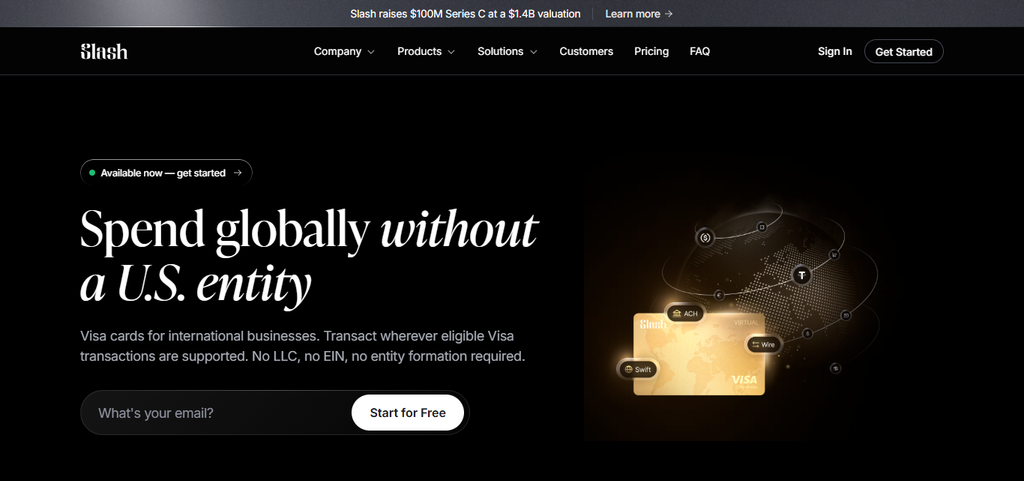
You can fund by ACH, wire, SWIFT or USDT and spend the balance as soon as it shows up. Slash says there are no conventional cross-border fees on global USD transactions. Its standard U.S. card has uncapped cashback, but the Global Card’s rewards, exact fees and limits aren’t clearly published, so check with Slash.
Slash Global Card Pros & Cons
| Pros | Cons |
|---|---|
| Lets international businesses spend USD without a U.S. entity | Newly launched, so it has a short track record |
| Visa acceptance worldwide | Funds are held in Slash’s own USDSL stablecoin |
| Stablecoin steps are hidden from users | Detailed fees, limits and rewards are not clearly published |
| Funding by ACH, wire, SWIFT or USDT | Not built for holding or spending a wide range of cryptos |
| Part of a full business banking and expense platform | Compliance review is required |
2. Oobit Business
Oobit allows people to spend crypto directly from a self-custody wallet using Apple Pay and Google Pay built on Visa’s network. It supports popular assets including BTC, ETH and stablecoins like USDT and USDC. Every purchase is converted to local currency at the point of sale.
Merchants are paid in fiat and the team spends from its own wallet. It can be used by teams across many countries but availability depends on wallet compatibility and local regulations. Fees are usually a small conversion or network spread, not a monthly charge. They may offer rewards or cash back as a promotion. Spending limits, business-specific controls and exact pricing vary by plan and region so please check with Oobit directly.
Oobit Business Pros & Cons
| Pros | Cons |
|---|---|
| Spend from a self-custody wallet | Limited public detail on business features |
| Apple Pay and Google Pay tap-to-pay | Conversion spreads can add cost |
| Visa acceptance at many merchants | Availability depends on region and wallet |
| Merchants are paid in fiat, so no crypto acceptance is needed | Fewer expense-management tools than traditional corporate cards |
| Supports major cryptos and stablecoins | Crypto price swings affect spending value |
3. Brex
Brex is a traditional corporate card and spend management platform, not a crypto-native card, but is popular with crypto and tech startups. Cards are based on major networks such as Visa or Mastercard and there’s no direct crypto-to-card spending. Instead the account is funded in fiat, often from the balances of the treasury. The platform is primarily for U.S. businesses and is growing its international offerings.
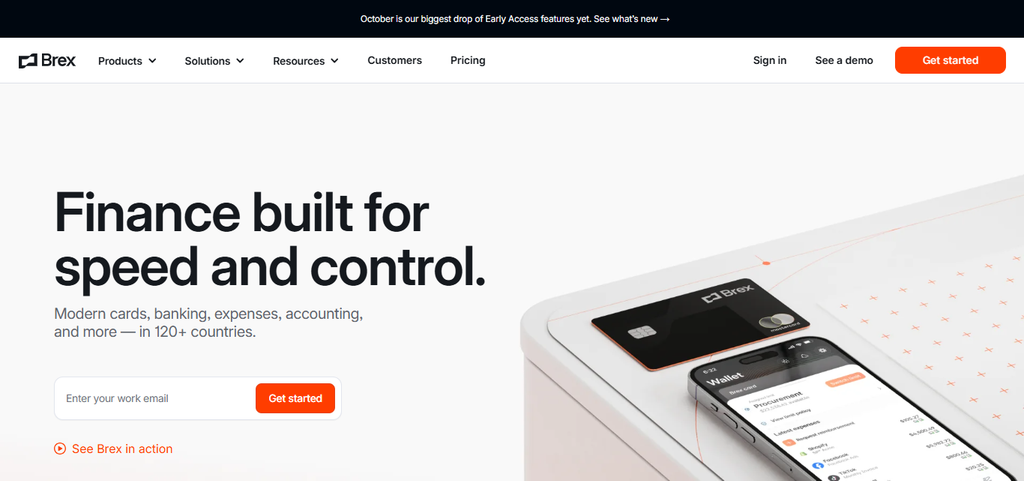
The core card and expense software has not charged an annual fee for standard plans, with premium features being charged separately. Spending limits are dynamic and based on cash balance and company profile, not a set credit line. Rewards are given in points for categories like software and travel. Quick funding via bank transfers and payments to merchants around the world.
Brex Pros & Cons
| Pros | Cons |
|---|---|
| Strong expense management and accounting integrations | Not a crypto-native card, with no direct crypto spending |
| Flexible limits based on cash balance rather than personal credit | Mainly for U.S. companies, with international coverage still growing |
| Virtual and physical cards for teams | Approval can be strict for early-stage startups |
| Points-based rewards | Premium features may carry extra fees |
| Familiar, reliable card networks | Crypto funding requires converting to fiat first |
4. Bitget Card
The Bitget Card is a Visa card backed by crypto and linked to the Bitget exchange and its wallet. Allows spending from assets such as USDT, USDC, BTC and ETH, converted to fiat at checkout. Available through Visa at millions of merchants worldwide (availability varies by region).
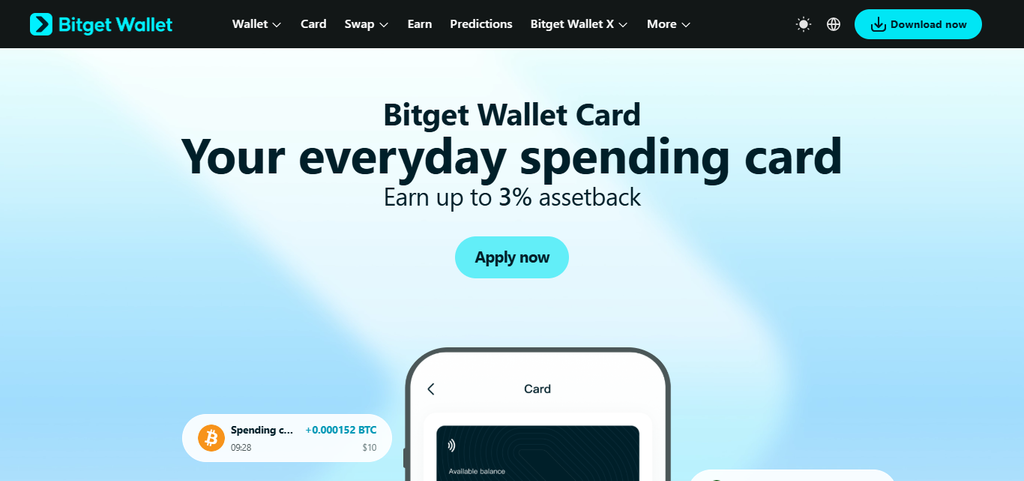
Not available from Bitget in all countries. Fees may include card issuance, FX margin and ATM fees, depending on region and tier. Spending limits vary by card type and verification level.
Cashback or rewards are often paid in crypto and may vary with promotions. Funding is instant from either exchange or wallet balance. For teams it works for crypto native companies that already have funds on Bitget.
Bitget Card Pros & Cons
| Pros | Cons |
|---|---|
| Spend crypto held on the Bitget exchange | Not available in every country |
| Visa acceptance worldwide | Fees and limits vary by region and tier |
| Instant funding from an exchange balance | Rewards change with promotions |
| Supports major cryptos and stablecoins | Business controls are limited compared with corporate cards |
| Crypto-based rewards | Funds sit on a centralized exchange |
5. COCA Visa Card
COCA is a Visa card to spend digital currencies, focusing on stablecoins like USDT and USDC. It connects to crypto wallets and converts balances to fiat when the cardholder makes a payment, and can be added to mobile wallets for tap-to-pay.
Visa’s network offers a far-reaching global network, while COCA’s service is confined to specific regions and relies on compliance checks. Fees may include card issuance and top-up or conversion fees, so check the current schedule. Verification tier determines spending limits.
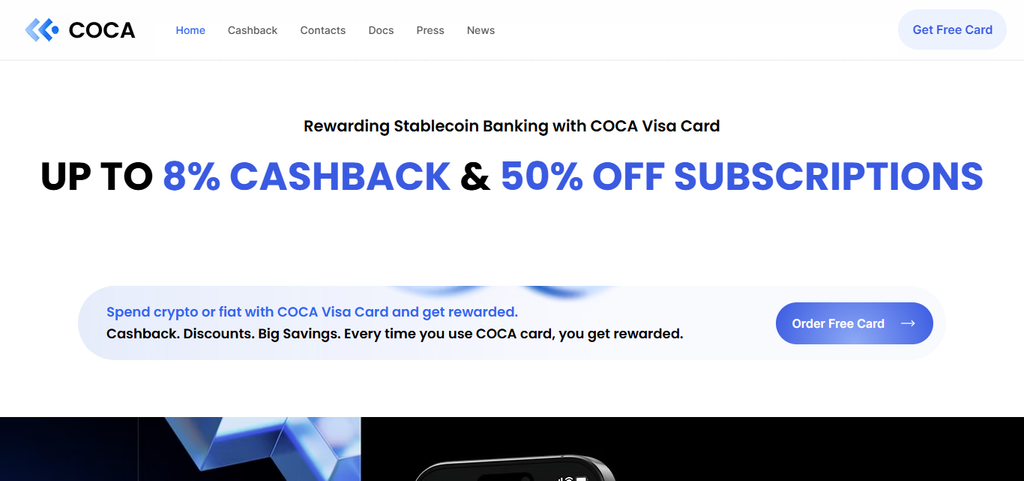
Rewards or cashback may be included in promotions. The supported chains allow for fast funding, which makes it a practical option for small teams that pay vendors and subscriptions around the world.
COCA Visa Card Pros & Cons
| Pros | Cons |
|---|---|
| Built for stablecoin spending | Smaller brand than the big exchanges |
| Works with mobile wallets for tap-to-pay | Regional availability is limited |
| Visa network acceptance | Fees and limits depend on tier |
| Quick top-ups on supported chains | Fewer team and expense tools |
| Suits remote and crypto-native teams | Rewards are not guaranteed and may be promotional |
6. Coinbase Card
Customers can spend with their Coinbase balance on Coinbase’s card products. The earlier Visa debit card turned crypto into dollars at purchase but Coinbase has since shifted its focus to a credit-style card offered with Coinbase One so check what is on offer now.
Supported assets include BTC, ETH, USDC, and other top tokens. It’s a consumer product, not a dedicated business card, and it’s largely available to U.S. users. There may be fees such as a spread on conversions, but the card generally has no annual fee.
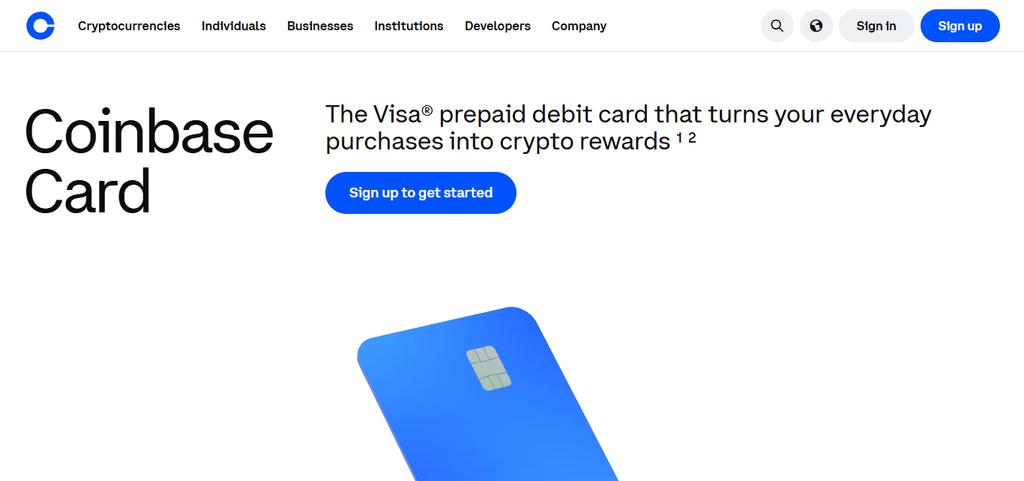
The spending limits are based on your account and card type. Historically, rewards have been paid in crypto like bitcoin, with the rate depending on the plan. Coinbase balance: Funding is instant.
Coinbase Card Pros & Cons
| Pros | Cons |
|---|---|
| Backed by a large, regulated exchange | Mainly U.S. availability |
| Instant funding from a Coinbase balance | Consumer-focused rather than a business expense card |
| Crypto rewards, often in bitcoin | Products and rewards have changed over time |
| Easy to use for existing Coinbase customers | Conversion spreads may apply |
| Wide merchant acceptance | Limited team controls |
7. Gemini Credit Card
Gemini’s credit card is issued to U.S. customers by a bank partner and powered by Mastercard. It is a real credit card so it does not spend crypto directly. Instead, it pays out rewards in crypto, which are immediately credited to a Gemini account for each purchase.
They typically pay 4% on gas and EV charging, 3% on dining, 2% on groceries and 1% on everything else. There’s typically a monthly or yearly cap. That means you’ll pay interest on your balance unless you pay it off in full each month.
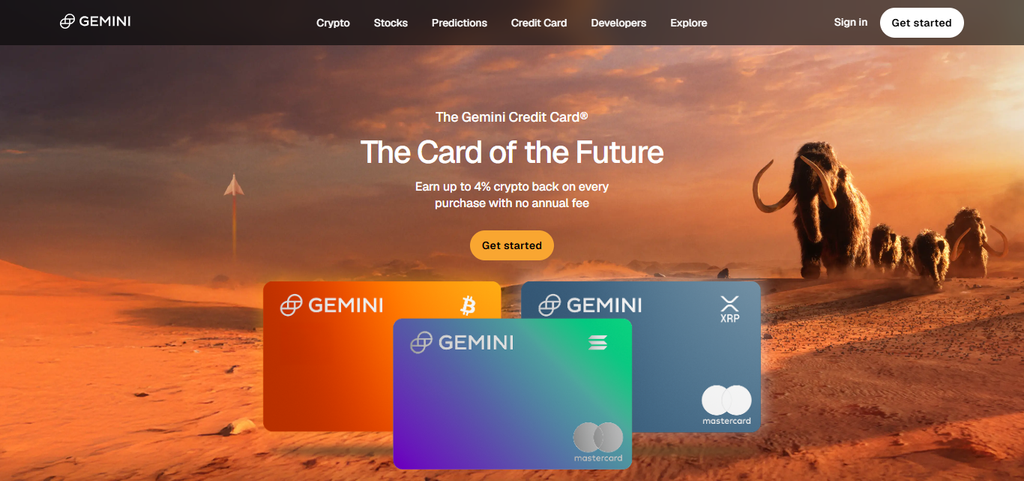
Credit limits are subject to underwriting. The rewards can be paid out in a wide range of cryptocurrencies. Mostly a personal card, teams should determine if it suits their requirements.
Gemini Credit Card Pros & Cons
| Pros | Cons |
|---|---|
| Crypto rewards credited instantly | Credit card, so it does not spend crypto directly |
| Tiered rewards on gas, dining and groceries | Mainly personal and U.S. only |
| No annual fee | Interest applies if the balance is not cleared |
| Mastercard acceptance | Monthly or annual rewards caps |
| Choice of reward cryptocurrencies | Requires a credit check |
8. Wirex One Business
Wirex One Business is a crypto-friendly account and card package for business users, offering cards on the Visa network. Wirex supports a variety of assets such as BTC, ETH, stablecoins and its own WXT token, which is converted into fiat currency when you spend it.
Availability is widespread, but eligibility differs by country and business type. Fees vary by plan and may include card, FX and ATM fees. Expense Management – Spending limits and card controls are set for each team member.
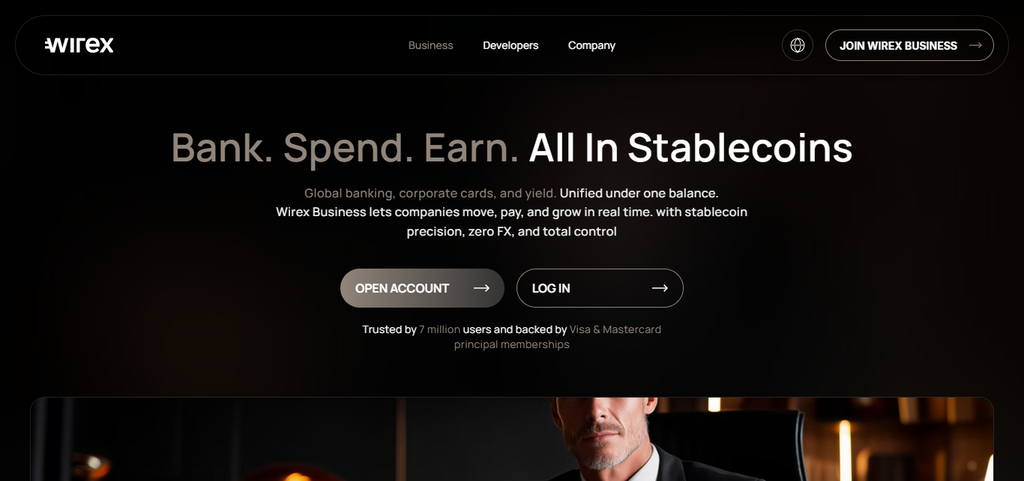
Wirex has regularly touted tiered cashback in its reward programs and paid in crypto so check current rates. Funds are quickly funded from the balance of the crypto wallet and the card can be used at merchants worldwide, which makes it useful for distributed teams.
Wirex One Business Pros & Cons
| Pros | Cons |
|---|---|
| Account and card package for companies | Eligibility depends on country and business type |
| Supports many cryptos | Fees depend on the plan |
| Per-member card controls | Cashback terms change |
| Visa acceptance worldwide | Rewards often depend on the WXT token |
| Quick funding from a crypto balance | Wallet is custodial |
9. Gnosis Pay Card
Gnosis Pay is a Visa debit card built on the Gnosis Chain. The funds are held in the user’s own Safe smart-contract wallet and are only debited when a purchase is made. It uses mainly stablecoins and tokens of euro, pound or dollar, such as EURe, GBPe and USDC variations. The service is available in the UK and much of Europe, with plans to expand to other markets.
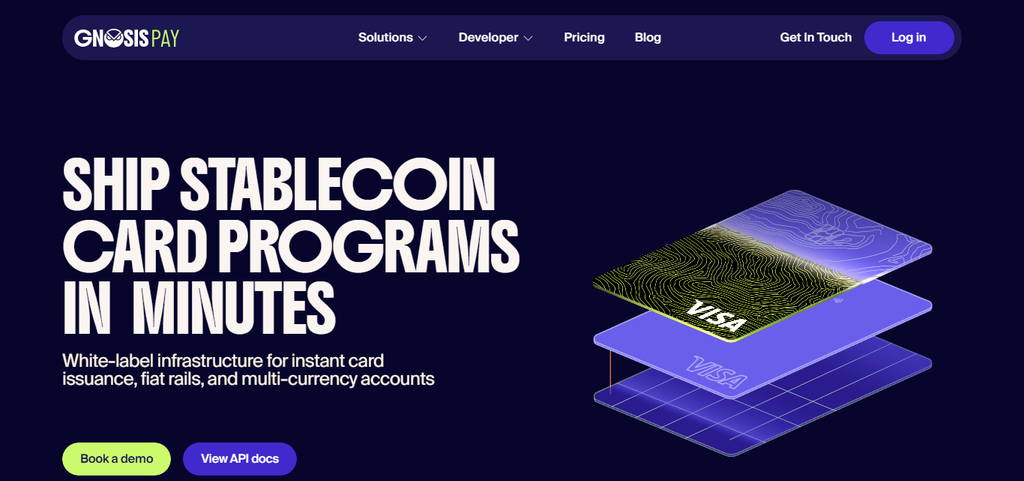
There are little or no monthly fees for the service, though there may be card issuance or replacement and FX costs. Spend limits depend on the account setup and can be configured. Cashback has been paid out in GNO, typically around 1% for qualifying holders. Instant on-chain funding, together with the global reach of Visa, makes it a good fit for crypto-native teams.
Gnosis Pay Card Pros & Cons
| Pros | Cons |
|---|---|
| Self-custody, so funds stay in your own wallet | Mainly UK and Europe |
| Instant on-chain funding | Limited token choice, mostly stablecoins and fiat tokens |
| Visa acceptance worldwide | Requires some crypto knowledge to set up |
| Low or no monthly fees | Fewer business expense tools |
| Cashback in GNO | Rewards depend on the token’s value |
10. BitPay Business Card
BitPay Business Card is a prepaid Mastercard for U.S. businesses to convert crypto into spendable cash. They load it up with supported assets like BTC, ETH, and stablecoins and BitPay turns them into USD. It can be used at merchants and ATMs that accept Mastercard, but it is only available in certain regions. Teams should read the fee schedule carefully as fees can include issuance, reload, ATM and inactivity fees.
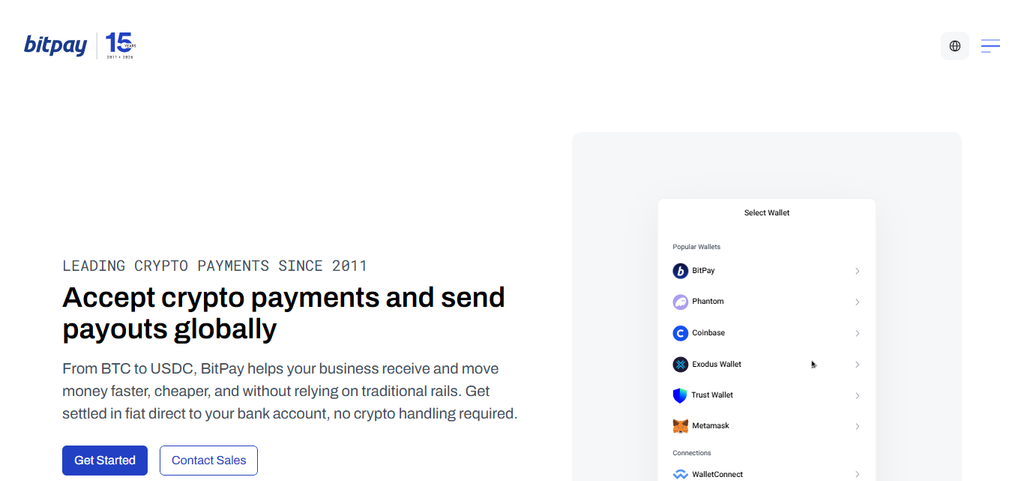
The limits are linked to the account and verification level and can be established per card. Cashback is not a headline feature, but promotions do pop up from time to time. Funding is quick once the crypto transaction has been confirmed. It’s a practical step for teams generating revenue from crypto and looking to spend it as dollars.
BitPay Business Card Pros & Cons
| Pros | Cons |
|---|---|
| Turns crypto revenue into spendable dollars | Prepaid, so no credit line |
| Mastercard acceptance and ATM access | Fees can include issuance, reload and inactivity charges |
| Supports BTC, ETH and stablecoins | Mainly U.S. availability |
| Per-card limits and controls | Rewards are minimal |
| Established crypto payments brand | Funding depends on blockchain confirmation times |
11. Bybit Corporate/Mastercard
Bybit has a crypto debit Mastercard through its exchange, with personal and business accounts. It allows for spending from assets including USDT, USDC, BTC and ETH, converting these to fiat at the point of sale. Bybit card availability is subject to regional and regulatory constraints, although Mastercard has a large global acceptance network. Fees can include card, FX and ATM costs and these vary by tier.
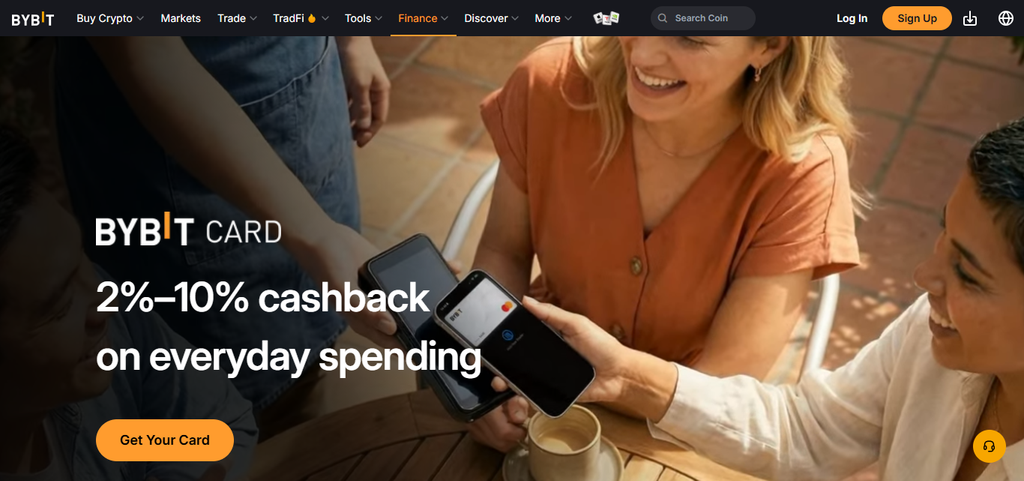
Limits on spending depend on account verification and card type . Corporate accounts may have higher or customizable limits . Bybit offers tiered cashback for card usage, paid out in crypto, with rates that can change over time. Instant funding from the exchange balance is a great feature for teams that already trade or hold treasury funds on Bybit.
Bybit Corporate/Mastercard Pros & Cons
| Pros | Cons |
|---|---|
| Spend directly from exchange balances | Availability depends on region |
| Instant funding | Fees and limits vary by tier |
| Mastercard acceptance worldwide | Cashback rates may change |
| Corporate accounts may offer higher limits | Funds are held on a centralized exchange |
| Rewards paid in crypto | Basic expense management compared with dedicated corporate cards |
12. Crypto.com Visa Card
One of the most popular crypto cards is the Crypto.com Visa Card with tiers based on the amount of CRO staked by a holder. Supported assets include BTC, ETH, CRO, stable coins and many more, all converted to fiat when you spend.
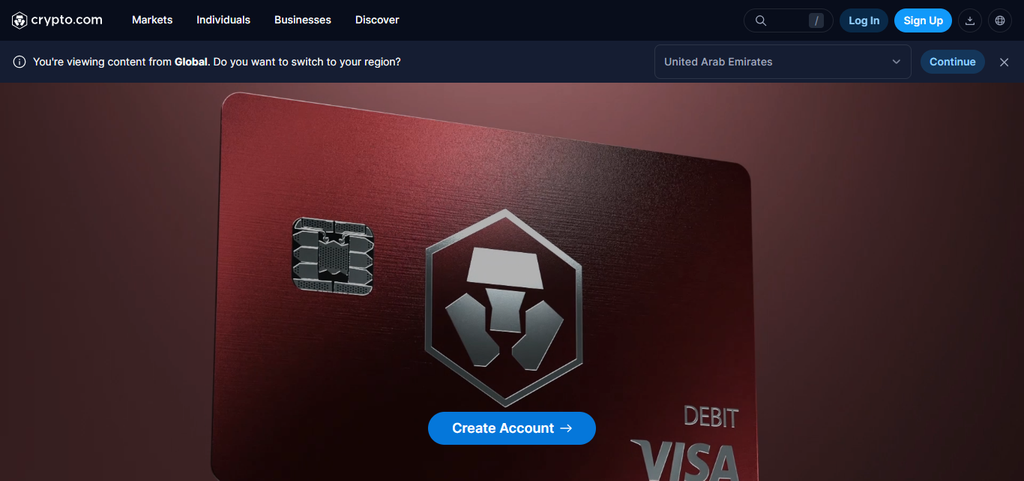
This program is powered by Visa and is available in a number of regions, but tiers and benefits vary by country. Depending on the tier there may be ATM, FX or staking requirements and some tiers have no annual fee. The higher tier, the more you can spend on.
Cashback is a low base rate to about 5% on top tiers, usually in CRO. Instant fund from the app wallet. Crypto.com also has business accounts for teams.
Crypto.com Visa Card Pros & Cons
| Pros | Cons |
|---|---|
| Tiered cashback up to around 5% | Best rewards require staking CRO |
| Large asset selection | Benefits vary by country and tier |
| Visa acceptance worldwide | Rewards are often paid in CRO, which can be volatile |
| Instant funding from the app | Tier changes can reduce benefits |
| Business account options | Staking locks up capital |
13. MetaMask Card
MetaMask Card is a self-custody Mastercard debit card that spends directly from a MetaMask wallet but settles through a card partner. It supports the USDC and USDT stablecoins and wrapped ETH, primarily on the Linea network. It is only available in certain regions and may require identity checks.
The fees are usually low and there is no monthly fee, but you may be charged for FX, atm and replacements. Spending limits depend on verification level and card program.
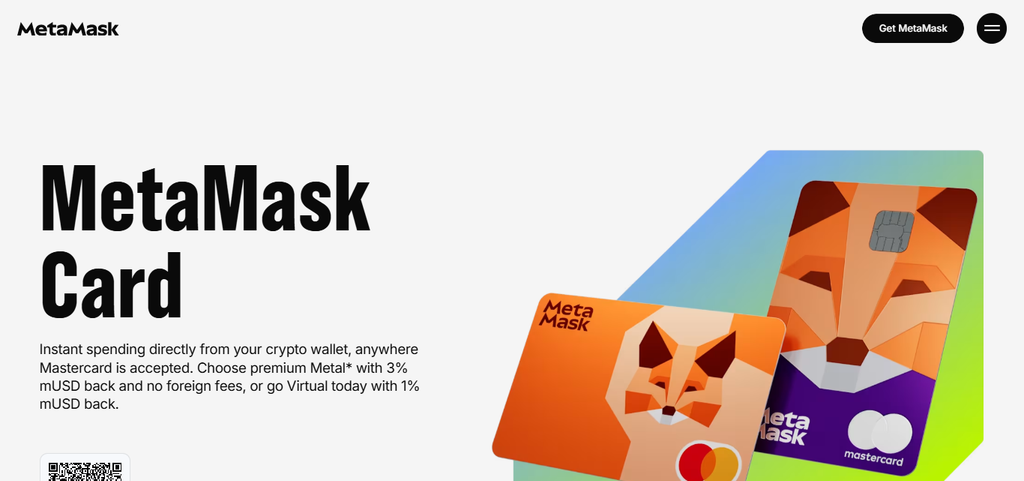
Eligible users are being given about 1% cashback, paid out in tokens. Funding is quick and on-chain, with balances stored in the user’s wallet until spent. Accepting Mastercard allows teams to pay vendors globally, but has limited business specific controls.
MetaMask Card Pros & Cons
| Pros | Cons |
|---|---|
| Self-custody, with funds held in your own wallet | Limited regional availability |
| Mastercard acceptance | Mostly stablecoins and a few tokens |
| Low fees and no monthly charge | Business controls are limited |
| On-chain funding | Requires wallet knowledge |
| Cashback for eligible users | Limits and rewards depend on the program |
14. OneKey Card
OneKey is best known for its hardware wallets and its card offering is newer and less documented than the others, so check what is currently available. Where it is offered, it is designed to enable users to spend crypto held in self-custody setups, via a Visa or Mastercard network card, with conversion to fiat at checkout.
The supported assets will likely be major coins and stablecoins but the exact list will depend on the partner issuing it. Limited and regional availability.
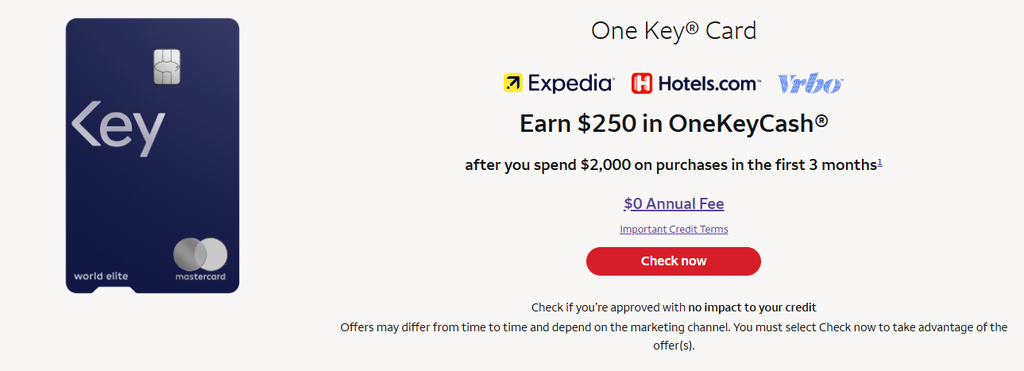
Fees, spending limits and cashback are not widely advertised, so teams should request the current schedule before relying on it. Funding is meant to be quick on-chain. OneKey’s main advantage for companies is wallet security, rather than a full expense-management platform.
OneKey Card Pros & Cons
| Pros | Cons |
|---|---|
| Backed by a known hardware wallet brand | Card offering is newer and less documented |
| Security-first, self-custody approach | Limited availability |
| Potential for wallet-linked spending | Fees, limits and rewards are not widely published |
| Suits security-conscious teams | No full expense-management suite |
| Fast on-chain funding where supported | Supported assets depend on the issuing partner |
15. OKX Card
The OKX Card is a crypto-linked card issued by the OKX exchange in select countries, including parts of Europe and the UK. You can use supported assets like USDT, USDC, BTC and ETH which are converted to fiat at the time of purchase. It runs on the Visa network for wide acceptance. Fees may include conversion spreads, ATM fees or card charges, which vary by region and tier.
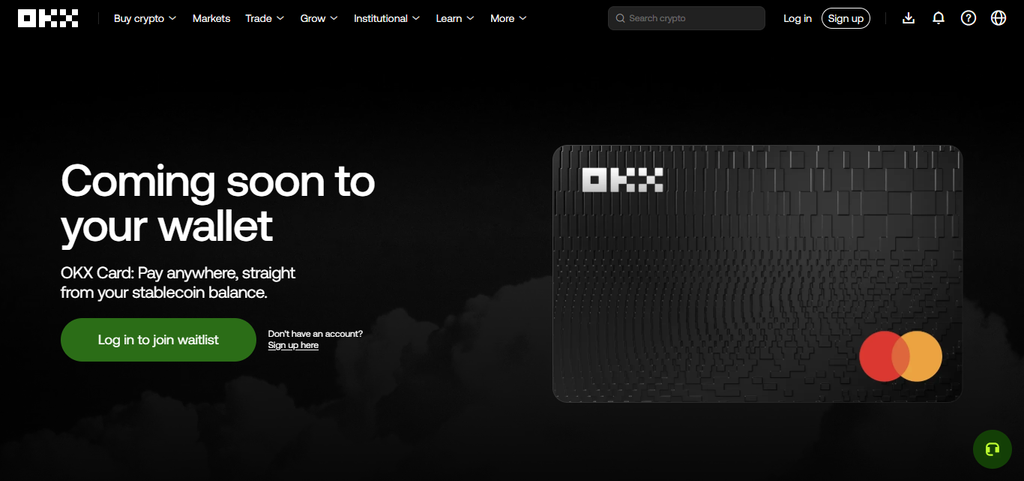
Limits based on verification level and card type. OKX has promoted cashback and rewards, often paid in crypto, with rates that change from time to time. Instant funding from an OKX balance. It works for teams that already hold treasury funds on OKX and want to pay vendors and subscriptions around the world.
OKX Card Pros & Cons
| Pros | Cons |
|---|---|
| Spend from an OKX balance | Limited regions |
| Instant funding | Fees and limits depend on tier |
| Visa acceptance worldwide | Rewards and cashback change over time |
| Crypto-based rewards | Funds sit on a centralized exchange |
| Good for teams already using OKX | Limited business expense controls |
Conclusion
To put it simply, the best Top Corporate Crypto Expense Cards for your team will depend on your particular business needs, budget, and the cryptocurrencies you want to spend. Check supported assets, payment networks, fees, spending limits, cashback and international availability to help you decide.
Some cards are good for global payments, others are better for expense controls. Always check current terms to ensure the card is the right one for your team’s financial operations.
FAQ
Cards enabling businesses to spend eligible crypto assets.
Slash Global Card and Brex serve different business needs.
Acceptance depends on networks and regional restrictions.
Some providers support employee cards.