

In this article, I will talk about the Best Self-Custody Crypto Cards like MetaMask that enable users to have more control over their digital possessions while making day-to-day payments.
I will review their custody solutions, supported cryptocurrencies, payment networks, fees, spending limits, availability, rewards, security features and overall usability to help readers find the right options to spend crypto.
Key Points & Best Self-Custody Crypto Cards like MetaMask
- Phantom Cash Card: Self-custodial Cash experience lets users spend balances while retaining wallet control.
- Gnosis Pay Card: Self-custodial Visa card enabling stablecoin spending directly from Safe-powered wallets worldwide.
- COCA Visa Card: Self-custodial Visa card offering crypto spending, cashback, and global payment flexibility.
- ether.fi Core Card: Self-custodial Visa card connecting crypto balances with everyday spending and rewards.
- Bleap Mastercard: Non-custodial Mastercard enabling direct wallet spending, savings, and cashback benefits globally.
- Tria Premium Card: Self-custodial Visa card supporting multi-chain crypto spending, swaps, and rewards worldwide.
- Ethena Pay Spend Card: Non-custodial spend card lets users pay directly from self-custodied digital assets.
- Solid Card: Self-custodial Visa card offering USDC spending, cashback, savings, and smart-wallet controls.
- Payy Card: Privacy-focused self-custodial Visa card enabling private stablecoin spending with ZK-backed transactions worldwide.
- Oppi Wallet Card: Self-custodial Mastercard supporting crypto payments across 210+ countries and merchants.
10 Best Self-Custody Crypto Cards like MetaMask
1. Gnosis Pay Card
Instead of requiring funds to be deposited into a custodial account, Gnosis Pay takes a self-custodial approach, connecting a user-controlled Safe wallet to card payments. Supported spending assets include stablecoins like USDCe, EURe and GBPe depending on the user’s jurisdiction.
Connected wallet payments are authorized and settled over the Visa network, allowing for normal online and in-store purchases. Gnosis Pay is currently available in select European and Latin American markets with more countries to be added.
Charges, spending limits and rewards are subject to the specific card program or partner. Security is derived from wallet ownership, transaction authorization, programmable controls and on-chain settlement.
Gnosis Pay Card Key Feature
| Key Feature | Explanation |
|---|---|
| Self-Custody | Lets users maintain control of their crypto through a connected self-custodial wallet. |
| Visa Payments | Enables everyday online and in-store spending wherever Visa is accepted. |
| On-Chain Spending | Connects blockchain-based assets with conventional card payment infrastructure. |
| Wallet Control | Users can manage funds and transaction authorization through their wallet. |
2. COCA Visa Card
The COCA Visa Card is a wallet-based card, allowing users to spend supported stablecoins without the need to hold a balance on a traditional exchange. Funding Support. USDT, USDC, EURC, EURS on selected networks including but not limited to Ethereum, BNB Smart Chain, Avalanche, Polygon, Arbitrum, Stellar, Base, according to the current app support.
Users then connect or fund the card through their COCA wallet and use it to make regular Visa or Mastercard merchant payments, depending on the card issued. Availability is available in selected European, Asia-Pacific and Latin American markets. A published promotion offered 5% USDT cashback. Rewards may differ. Users should verify current card fees, limits, eligibility and wallet controls before applying.
COCA Visa Card Key Feature
| Key Feature | Explanation |
|---|---|
| Self-Custody Wallet | Provides wallet-based crypto management while supporting everyday card spending. |
| Stablecoin Spending | Supports spending with eligible stablecoins through the card ecosystem. |
| Visa Acceptance | Designed for purchases at merchants accepting the applicable Visa card. |
| Cashback | Offers cashback opportunities through eligible promotional or card programs. |
3. ether.fi Core Card
The ether.fi Core Card is non-custodial, meaning users can spend crypto while holding onto their account assets. The wider ether.fi ecosystem supports 250+ assets, 30+ currencies and 15+ networks. Cash card spends Supported balances and value accruing stable assets. The card is on the Visa network and can be used online, in stores, and at ATMs where supported.
Physical cards for core members cost $50 now, and virtual cards range in price by region. The default daily card limit is $5,000 and features user-adjustable spending controls. Cashback can be up to 3% with additional Visa benefits depending on level of membership.
ether.fi Core Card Key Feature
| Key Feature | Explanation |
|---|---|
| Self-Custody | Connects card spending with the user’s controlled ether.fi wallet environment. |
| Visa Card | Supports everyday purchases through the global Visa payment network. |
| Crypto Spending | Allows eligible digital assets to be used for real-world payments. |
| Rewards | Provides cashback and additional benefits depending on membership eligibility. |
4. Bleap Mastercard
The Bleap Mastercard is a non-custodial card which is directly linked to a Bleap wallet. However, card payments will not consume all the crypto held within the wallet; current payment balances are based on supported fiat or stable assets such as USD, EUR, USDC and EURE. Users spend eligible wallet balance on the Mastercard network, whereas crypto holdings usually need to be converted into a supported payment balance first.
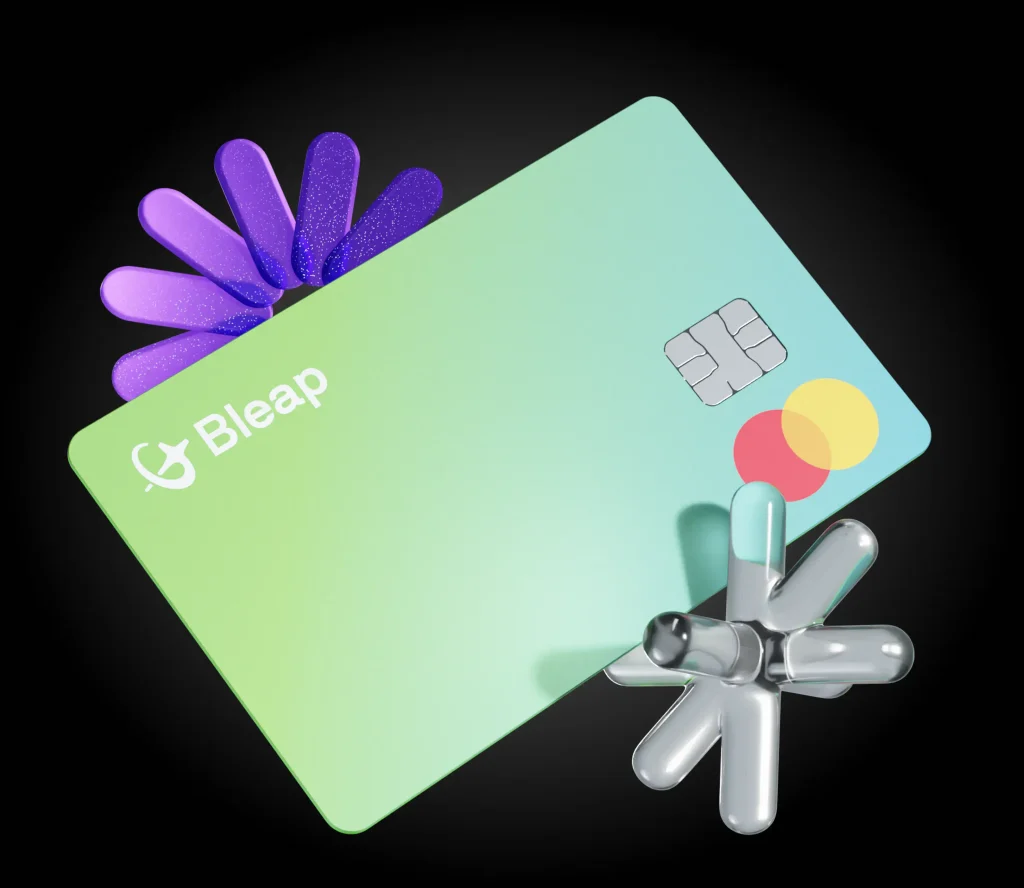
There are no card issuance, monthly, usage or exchange fees, but Mastercard, FX, merchant, ATM and tax charges may apply, says Bleap. Standard card limits are €10,000 per transaction, €15,000 per day and €30,000 per month. The amount of cashback varies depending on the category.
Bleap Mastercard Key Feature
| Key Feature | Explanation |
|---|---|
| Non-Custodial Wallet | Keeps wallet ownership with users rather than requiring traditional custodial storage. |
| Mastercard Payments | Enables crypto-funded spending at Mastercard-accepting merchants worldwide. |
| Stablecoin Support | Allows eligible stablecoin balances to fund everyday card transactions. |
| Cashback | Provides cashback benefits on eligible purchases under its current rewards program. |
5. Tria Premium Card
The Tria Premium Card is self-custody based and enables spending on multiple crypto networks without requiring users to move assets to a traditional centralized exchange. Users can top up with 1,000+ supported tokens, and eligible stablecoins for its cashback program include USDC and USDT, Tria says.
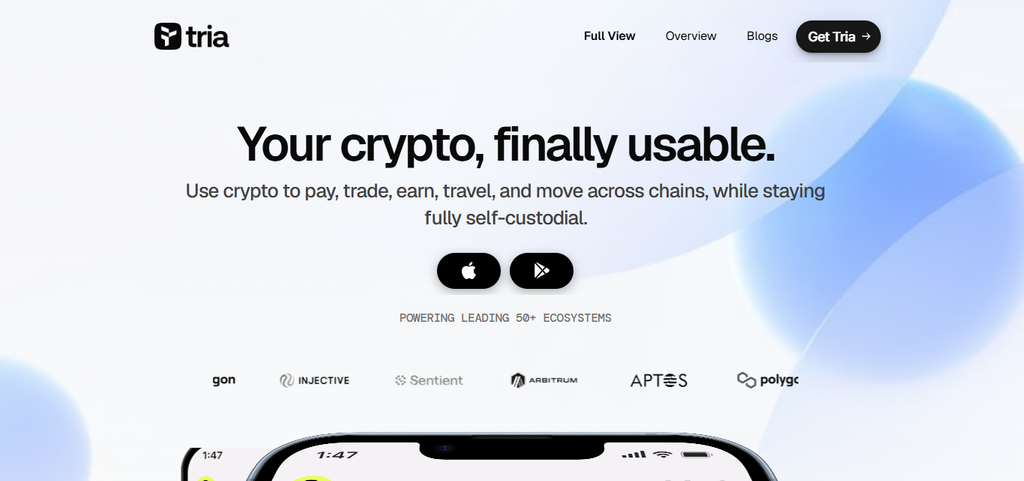
It’s a Visa network card, so you can use it for online, in-store, Apple Pay and Google Pay. Tria offers 0% deposit and FX fees and over 1,000 coins, but there may be other costs depending on the transaction. Premium users can make transactions up to $1 million a day and withdraw up to $750 per day at ATMs. 6% premium cashback (subject to caps and terms monthly).
Tria Premium Card Key Feature
| Key Feature | Explanation |
|---|---|
| Multi-Chain Support | Connects spending with assets across multiple supported blockchain networks. |
| Self-Custody | Allows users to maintain control of their wallet and supported digital assets. |
| Visa Payments | Enables everyday spending through Visa’s merchant acceptance network. |
| Premium Rewards | Provides enhanced cashback benefits and higher limits for eligible Premium users. |
6. Ethena Pay Spend Card
The Ethena Pay Spend Card is built with a self-custodial wallet and a secured card structure. Ethena Pay states that it does not custody users’ crypto, and that the private keys and wallet recovery credentials remain in the user’s control.
When you spend the money is held with collateral in a related wallet. So the product is not just a prepaid card. The supported stablecoins and blockchain requirements may vary depending on the current configuration of the platform. The card is issued by a third party issuer under the relevant card network.
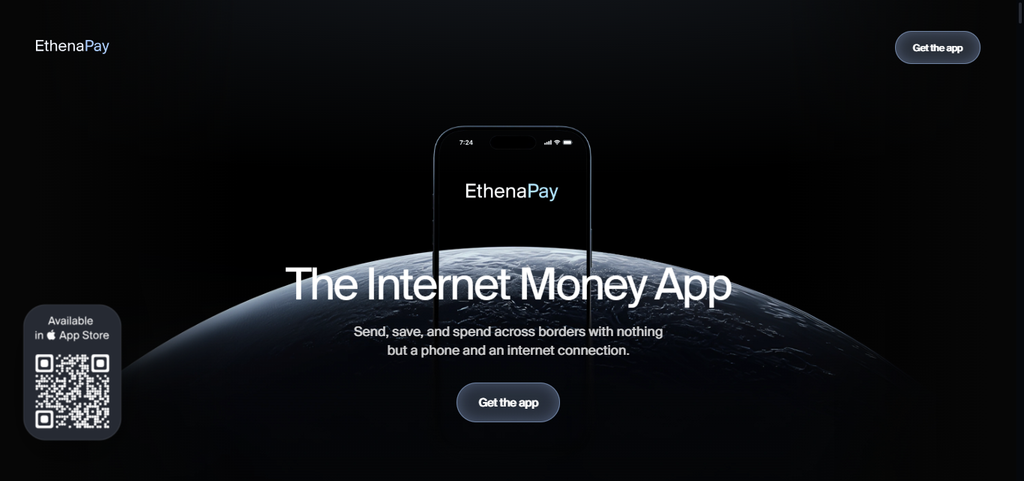
There are no recurring account or maintenance fees for standard Ethena Pay accounts and relevant transaction fees are disclosed prior to confirmation. Spending limits are dynamic and may depend on collateral and issuer rules. The cashback can be as high as 5% depending on the level of spending and the tier.
Ethena Pay Spend Card Key Feature
| Key Feature | Explanation |
|---|---|
| Non-Custodial Design | Users retain control over supported assets through their linked wallet. |
| Crypto-Backed Spending | Uses eligible digital assets or collateral to support card payments. |
| Everyday Payments | Makes supported crypto balances usable for ordinary merchant purchases. |
| Cashback | Offers rewards based on applicable spending tiers and program conditions. |
7. Solid Card
The Solid Card allows users to hold their crypto in their control, rather than in a traditional custodial account. The card offers a non-custodial smart wallet, combined with the ability to spend stablecoins. Solid is mainly focused on USDC and stablecoin balances.
The app offers other crypto functionality. It’s a Visa card, meant for spending at 200 million+ merchants worldwide, with support for Apple Pay and Google Pay. Solid does not currently charge card or maintenance fees, but check for transaction related charges.
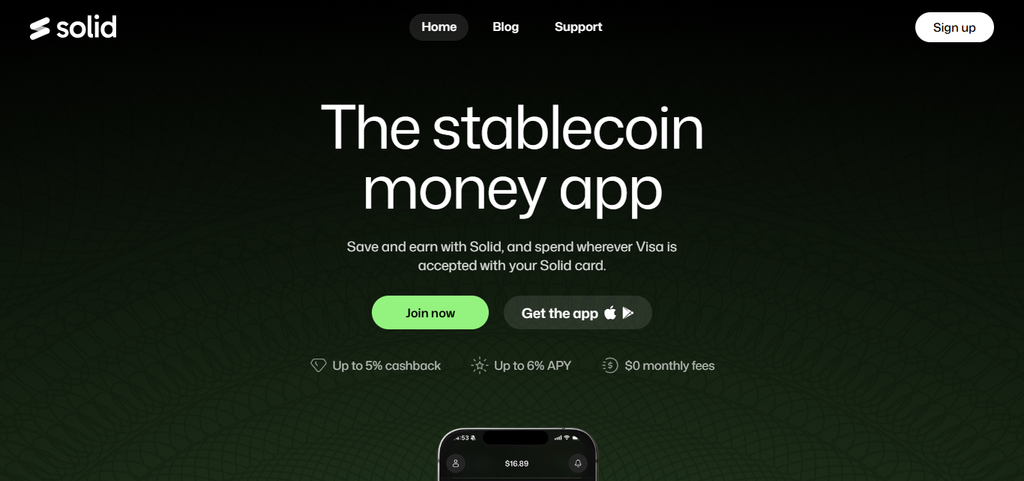
Rewards are up to 5% cashback, subject to current program and account conditions. Security: Passkey authentication, two-factor protection, fraud monitoring, spending controls, card freezing, and recovery mechanisms.
Solid Card Key Feature
| Key Feature | Explanation |
|---|---|
| Self-Custody Wallet | Gives users control over assets through its smart-wallet infrastructure. |
| Stablecoin Spending | Focuses on using supported stablecoins for everyday transactions. |
| Visa Acceptance | Provides card payments across participating Visa merchants worldwide. |
| Security Controls | Includes features such as card controls, authentication, and transaction monitoring. |
8. Payy Card
Payy Card emphasizes self-custody and privacy of transactions. It uses USDC as its main spending asset, and deposits from supported sources and other networks are routed into the Payy ecosystem. The card is a Visa Platinum product and allows people to spend online or in stores, with transactions routed through Payy’s privacy-focused infrastructure.
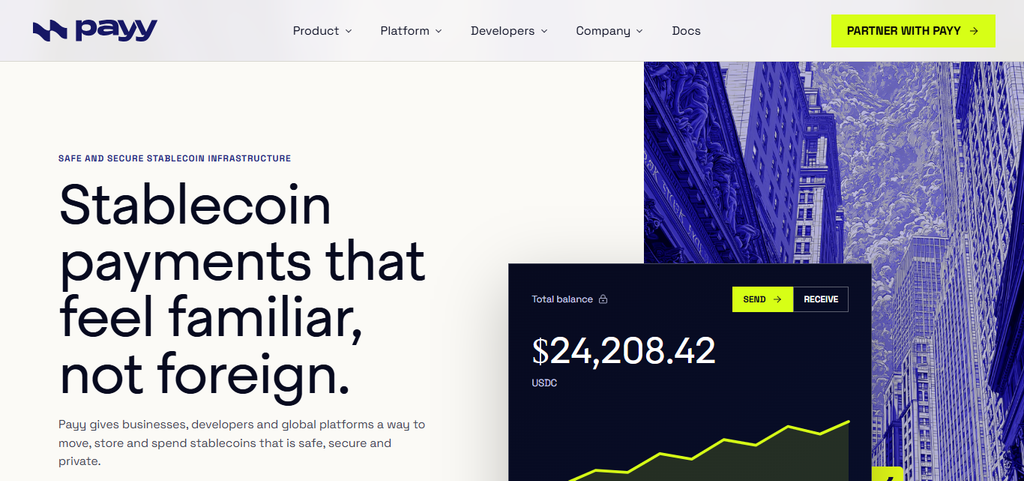
Payy’s key difference is its zero-knowledge architecture, which is designed to prevent public blockchain observers from linking everyday card spending to wallet balances and transaction activity. No monthly card fee and a 1% FX fee on non-USD purchases is current information, cashback is not a core feature. Users retain control of their wallet, but card issuance requires KYC.
Payy Card Key Feature
| Key Feature | Explanation |
|---|---|
| Privacy-Focused | Uses privacy technology designed to reduce public visibility of spending activity. |
| Self-Custody | Allows users to retain control over their wallet and supported assets. |
| Visa Platinum | Provides Visa-based spending for eligible online and physical purchases. |
| USDC Spending | Uses USDC as a primary supported asset for card-funded transactions. |
9. Oppi Card Wallet
The Oppi Wallet Card uses a self-custody model, meaning private keys are held on the user’s device, not with the card provider. The virtual card supports Bitcoin, Ethereum, USDT, USDC and other supported cryptocurrencies, exact asset availability depending on current service.
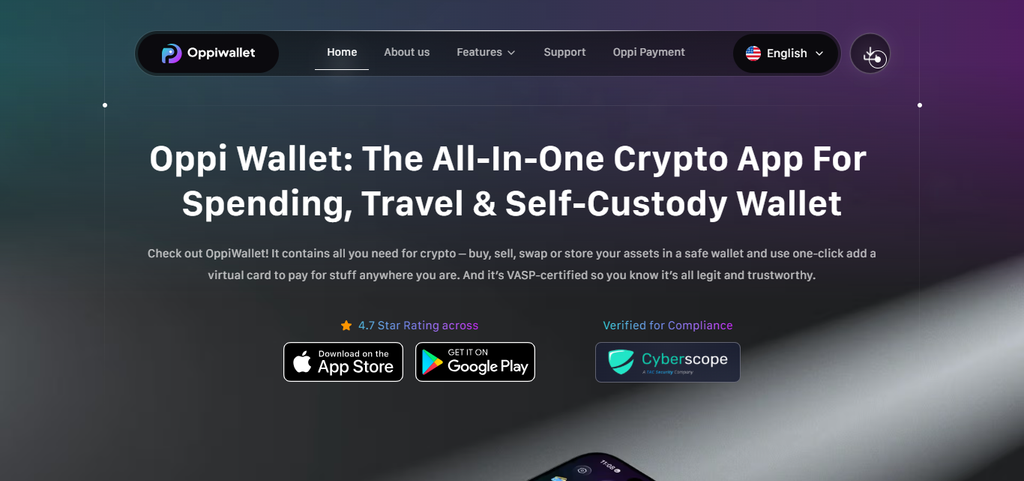
Powered by Mastercard, it’s accepted at more than 150 million merchants across 210+ countries, including online and in-store. Users only top up what they want to spend, the rest remains in their self-custody wallet. Activation fee is $10 and $5 goes back to the card balance . So the advertized effective cost of setup is $5 . No monthly fee is advertized .
Oppi Wallet Card Key Feature
| Key Feature | Explanation |
|---|---|
| Self-Custody | Keeps private-key control with users instead of placing assets with a custodian. |
| Mastercard Network | Supports everyday payments through Mastercard’s international merchant network. |
| Crypto Support | Allows eligible cryptocurrencies and stablecoins to fund card transactions. |
| Broad Acceptance | Designed for online and physical merchant payments across numerous countries. |
10. Phantom Cash Card
The Phantom Cash Card is built around Phantom’s self-custody wallet, allowing users to spend the platform’s CASH stablecoin without moving assets into a traditional custodial exchange account. It is on the Visa payment network and only available in the U.S. The spending is done from the eligible CASH balance and the merchants receive normal card payments without having any direct interaction with the cryptocurrency.
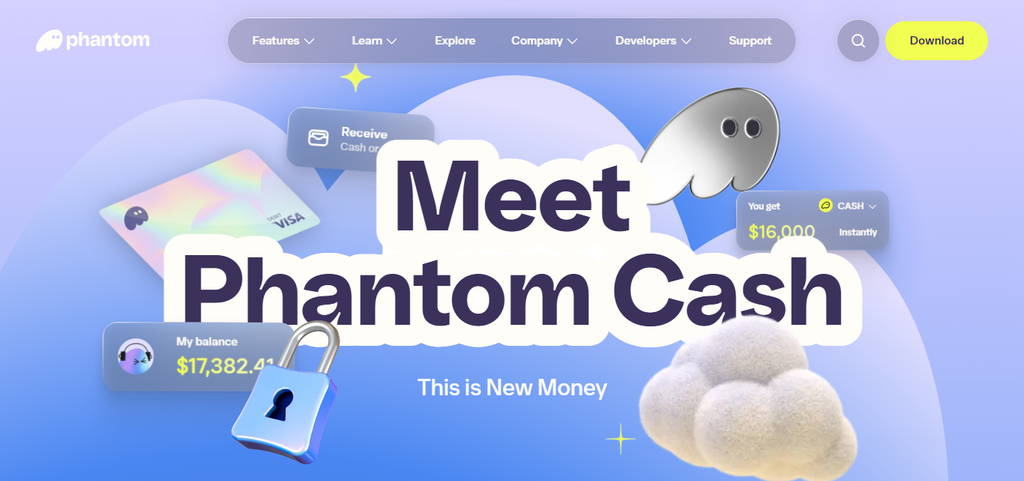
Current independent documentation states Phantom does not publish a simple full fee schedule, so users should check the cardholder agreement before spending. No standard cashback scheme is to be expected unless Phantom declares it. The big security benefit is having control of your assets in your wallet, but users should be thinking independently about card limitations, geographic eligibility and transaction fees.
Phantom Cash Card Key Feature
| Key Feature | Explanation |
|---|---|
| Phantom Integration | Connects card spending directly with the Phantom wallet ecosystem. |
| Self-Custody | Keeps eligible wallet assets under the user’s control rather than traditional custody. |
| Visa Payments | Enables everyday purchases through the Visa payment network. |
| CASH Spending | Uses eligible CASH stablecoin balances for supported card transactions. |
Conclusion
Summary The best self-custody crypto card is based on wallet control, supported assets, payment networks, fees, spending limits, availability and security. Gnosis Pay, COCA, ether.fi, Bleap, Tria and others offer different approaches to spending crypto.
Compare custody options, transaction costs, supported regions, rewards, and withdrawal options before you choose. The right card should balance convenience, flexibility, privacy and control.
FAQ
They can reduce custodial risk, but wallet security remains the user’s responsibility.
Yes, many cards support stablecoins such as USDC or USDT.
Fees vary by provider, transaction type, region, and card program.
No. Availability depends on the provider, country, regulations, and eligibility.
Some provide cashback, but rates and conditions vary.