
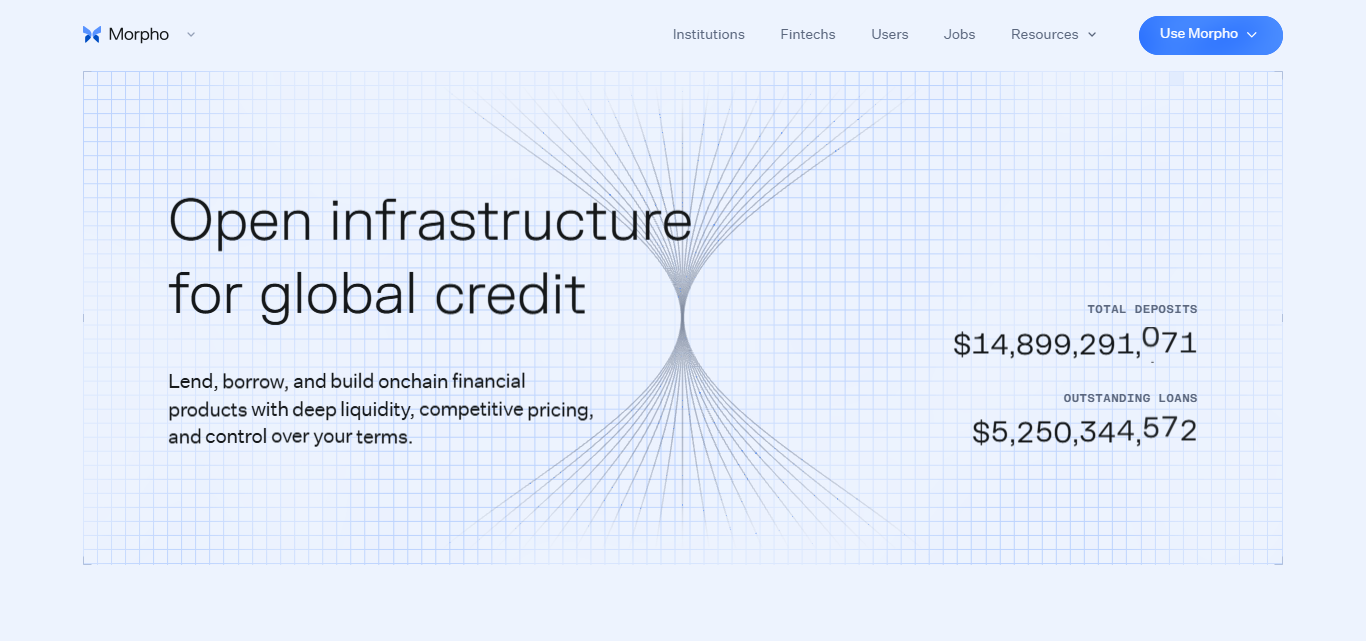

I’ll go over the Top Morpho Rivals for Effective DeFi Lending Markets in this post, looking at top decentralized lending and borrowing systems that provide flexible collateral options, competitive interest rates, and effective liquidity management.
To determine how these protocols compete with Morpho in the developing DeFi ecosystem, we will contrast their salient characteristics, supported assets, blockchain networks, integrations, and ideal use cases.
Key Points & Top Morpho Rivals for Efficient DeFi Lending Markets
| Platform | Explanation |
|---|---|
| Aave | Offers decentralized lending, flexible borrowing, competitive rates, and deep liquidity across multiple blockchains. |
| SparkLend | Provides efficient DeFi lending with stablecoin-focused markets and integrated Maker ecosystem liquidity. |
| Kamino | Combines automated liquidity management, lending, and borrowing across Solana’s decentralized finance ecosystem. |
| Euler | Delivers permissionless lending markets with customizable risk controls and flexible asset support. |
| Compound | Enables decentralized borrowing and lending through transparent smart contracts and algorithmic interest rates. |
| Fluid | Optimizes DeFi capital efficiency by combining lending, borrowing, and liquidity management features. |
| Lista Lending | Offers decentralized lending with collateralized borrowing and integrated liquidity across BNB Chain. |
| Silo Finance | Creates isolated lending markets that reduce contagion risks between different crypto assets. |
| Gearbox | Provides leveraged DeFi lending strategies through composable credit accounts and integrated protocols. |
| Inverse Finance | Supports decentralized lending and borrowing with innovative stablecoin markets and collateral strategies. |
10 Top Morpho Rivals for Efficient DeFi Lending Markets
1. Aave
Aave is a well-known decentralized lending and borrowing system that enables users to borrow assets against deposited collateral, provide bitcoins, and earn interest. Flash loans, automated liquidation procedures, and variable interest rates are all supported by its liquidity-pool design. Ethereum, Polygon, Arbitrum, Optimism, Base, Avalanche, BNB Chain, Scroll, Linea, and additional EVM networks are among the supported blockchains.
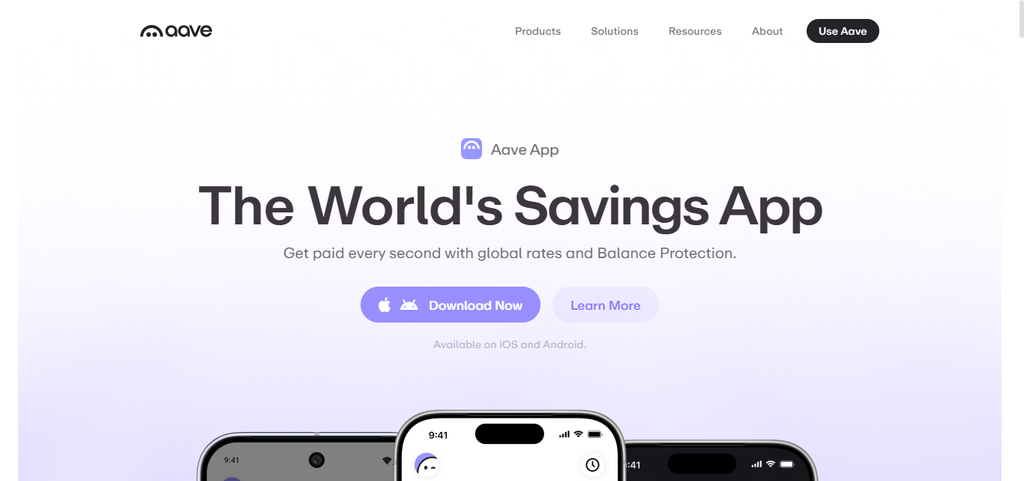
ETH, WETH, WBTC, USDC, USDT, DAI, and other authorized cryptocurrencies and liquid staking tokens are among the supported assets. DeFi Integrations: Aave uses smart contracts and developer tools to link with wallets, decentralized exchanges, portfolio apps, and other DeFi platforms, enabling lending across several ecosystems.
Aave Best Use Cases
- Providing cryptocurrency to generate variable yields on loans.
- Taking out a stablecoin loan secured by deposited cryptocurrency.
- Using flash loan functionality to obtain immediate liquidity.
- Overseeing a variety of loan and borrowing situations on several blockchains.
2. SparkLend
Within the Sky ecosystem, SparkLend is a decentralized money market that lets users borrow against collateral, supply digital assets, and access stablecoin liquidity. Its lending infrastructure places a strong emphasis on various oracle protections, supply constraints, borrow limits, utilization-based interest rates, and cautious collateral selection.
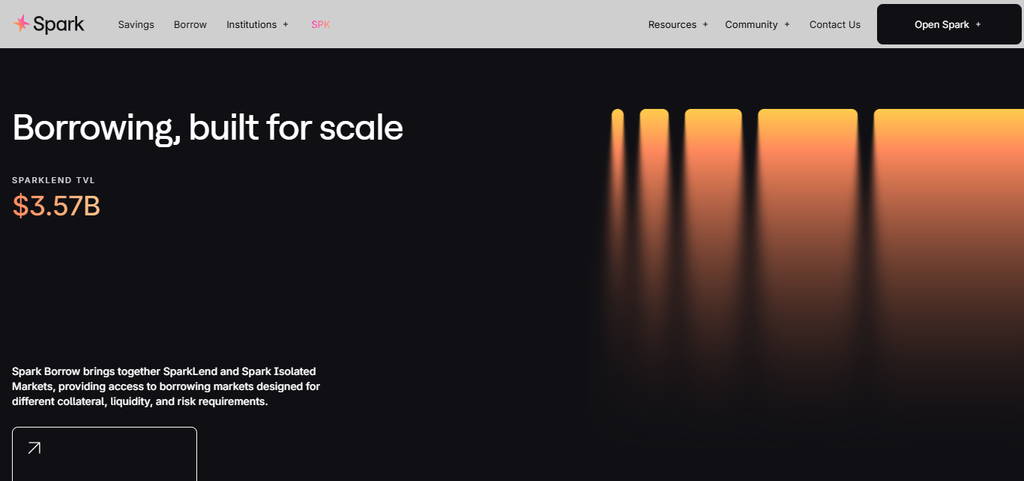
Supported Blockchains: After retiring its Gnosis deployment, Ethereum is currently the network it supports. WETH, wstETH, weETH, WBTC, cbBTC, USDS, DAI, USDC, and other assets accessible in active marketplaces are examples of supported assets. DeFi Integrations: SparkLend is connected to LitePSM, Spark Liquidity Layer, Sky’s liquidity infrastructure, and a few external DeFi lending and liquidity protocols.
SparkLend Best Use Cases
- Taking out a stablecoin loan secured by authorized cryptocurrency.
- Providing resources within Sky’s ecosystem to generate interest.
- Using stablecoin-focused loan marketplaces to access decentralized liquidity.
- Using predetermined risk guidelines to manage collateralized borrowing positions
3. Kamino
Kamino is a DeFi platform based in Solana that combines leveraged techniques, automated liquidity management, lending, and borrowing. Users can deposit supported cryptocurrencies, earn variable returns, and borrow against qualified collateral on its lending markets. Additionally, the platform offers automatic liquidity methods, comprehensive risk information, and carefully chosen lending vaults. Solana is a supported blockchain.
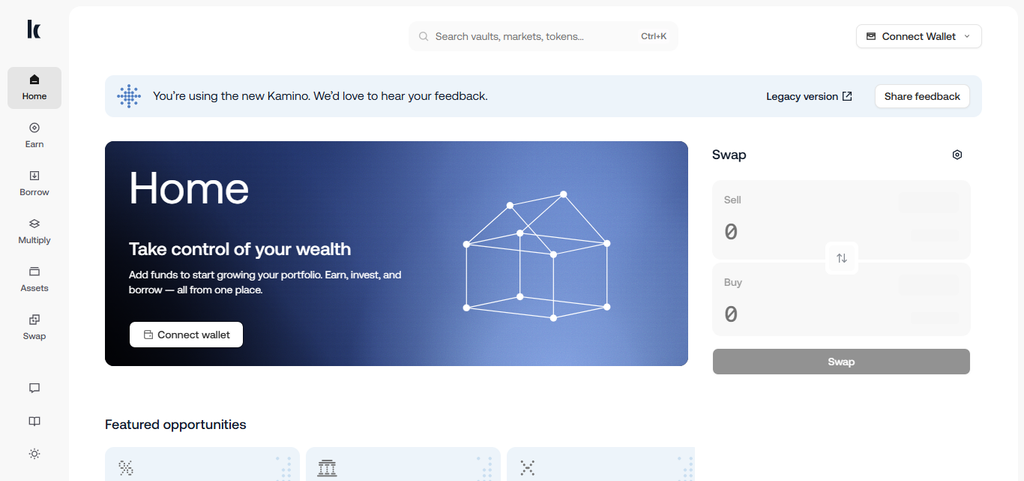
Assets that are supported include liquid staking tokens, SOL, USDC, USDT, JUP, JLP, and other tokenized and cryptocurrency assets. DeFi Integrations: Solana’s decentralized exchanges, staking ecosystems,
liquidity suppliers, and swap infrastructure are all connected to lending through Kamino. Within a single, interconnected DeFi environment, these connections assist users in accessing borrowing alternatives, leverage positions, and capital use optimization.
Kamino Best Use Cases
- Taking out a cryptocurrency loan secured by assets situated in Solana.
- Providing supported digital assets to generate lending rates.
- Using automated borrowing techniques to leverage cryptocurrency positions.
- Making the best use of funds throughout Solana’s DeFi network.
4. Euler
With the help of the modular decentralized lending protocol Euler, users may establish, oversee, and take part in customisable loan markets. Independent vaults with adjustable collateral relationships, interest-rate models, liquidation parameters, and risk controls are supported by the Euler Vault Kit.
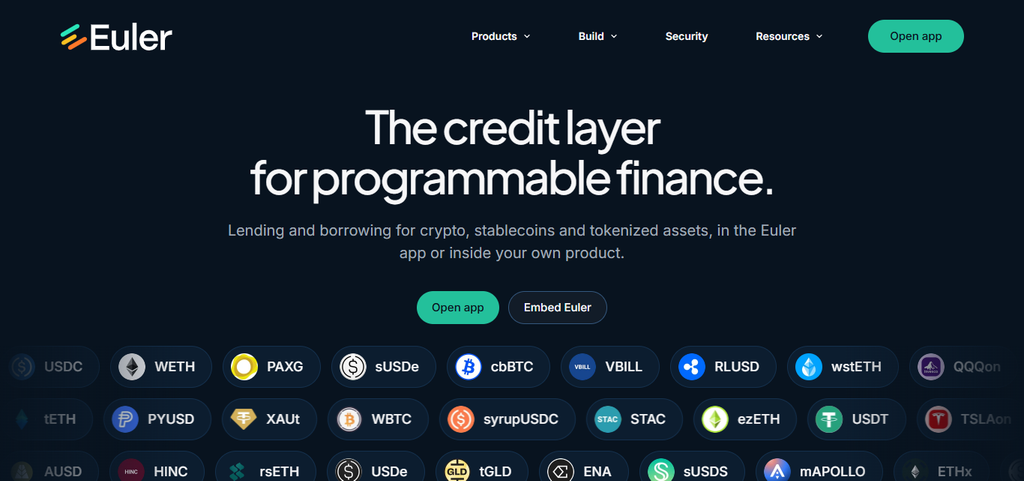
Depending on active deployments, supported blockchains include Ethereum and several networks that are compatible with EVM. ETH, WETH, USDC, USDT, WBTC, liquid staking tokens, and other ERC-20 assets backed by separate vaults are examples of supported assets.
DeFi Integrations: With its Ethereum Vault Connector, developer SDK, APIs, EulerEarn vaults, and composable smart contracts, Euler offers integration infrastructure. Wallets, exchanges, developers, and DeFi apps can add lending and borrowing features to their services thanks to these tools.
Euler Best Use Cases
- Developing specialized loan markets for cryptocurrency assets that are supported.
- Overseeing separate lending vaults with adjustable risk standards.
- Using flexible collateral and loan arrangements to borrow assets.
- Using modular infrastructure to develop permissionless lending techniques.
5. Compound
Compound is a well-known decentralized lending system that allows users to borrow supported base assets with collateral, supply cryptocurrency assets, and earn interest. Compound III, sometimes referred to as Comet, employs distinct markets with many acceptable collateral assets and a designated borrowing asset. Ethereum, Arbitrum, Base
Optimism, Polygon, Optimism, Unichain, Linea, Scroll, and further EVM networks are among the supported blockchains. USDC, USDT, USDS, WETH, WBTC, wstETH, and other market-specific collateral tokens are examples of supported assets.
DeFi Integrations: Through permissionless smart contracts, developer documentation, and protocol interfaces, Compound facilitates integration with wallets, decentralized exchanges, portfolio dashboards, and DeFi applications.
Compound Best Use Cases
- Giving borrowers cryptocurrency in order to earn interest.
- Using qualified deposited collateral to borrow supported assets.
- Using decentralized markets to access transparent interest-rate processes.
- Including loan features in DeFi apps and wallets.
6. Fluid
Fluid is a decentralized finance protocol that uses decentralized exchange functionality, interconnected lending markets, and liquidity management to increase capital efficiency. Lending vaults, borrowing options, automated liquidity systems, and risk-management controls are all part of its architecture.
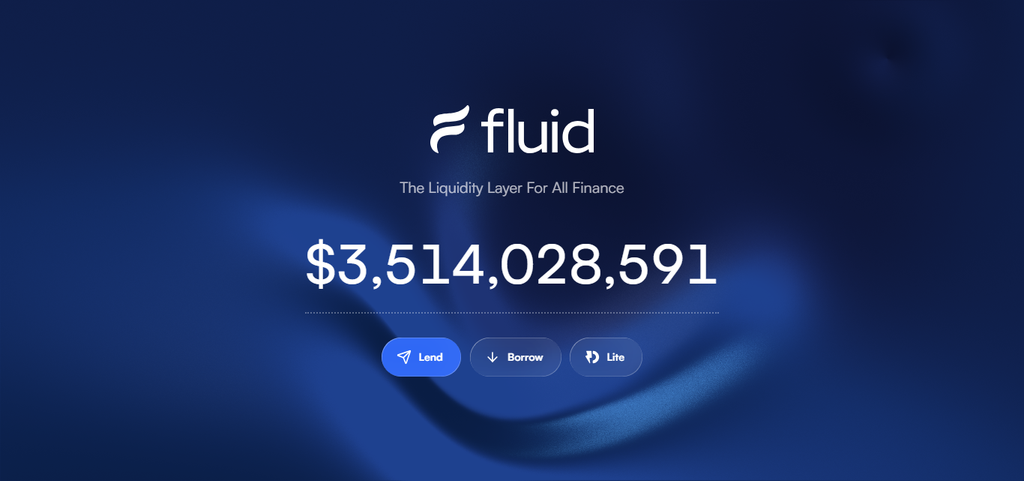
Ethereum, Arbitrum, Base, Polygon, and other supported networks, depending on specific deployments, are examples of supported blockchains. ETH, WETH, USDC, USDT, WBTC, liquid staking tokens, and other authorized stablecoins and cryptocurrencies are examples of supported assets.
DeFi Integrations: Fluid links its DEX, liquidity layer, vault system, and other DeFi apps to its lending infrastructure. Through these linkages, customers can more effectively manage collateral, access liquidity, and employ capital across linked financial markets.
Fluid Best Use Cases
- Using linked lending markets to maximize capital efficiency.
- Taking out a cryptocurrency loan with approved collateral.
- Overseeing liquidity in decentralized exchanges and lending vaults.
- Using techniques for integrated borrowing and liquidity management.
7. Lista Lending
Lista Lending offers vault-based lending and borrowing marketplaces through a decentralized, permissionless lending protocol. It enables users to borrow digital assets against supported collateral, provide liquidity, and earn interest. Its separated market architecture helps reduce market risks by keeping individual loan and collateral pairs apart.
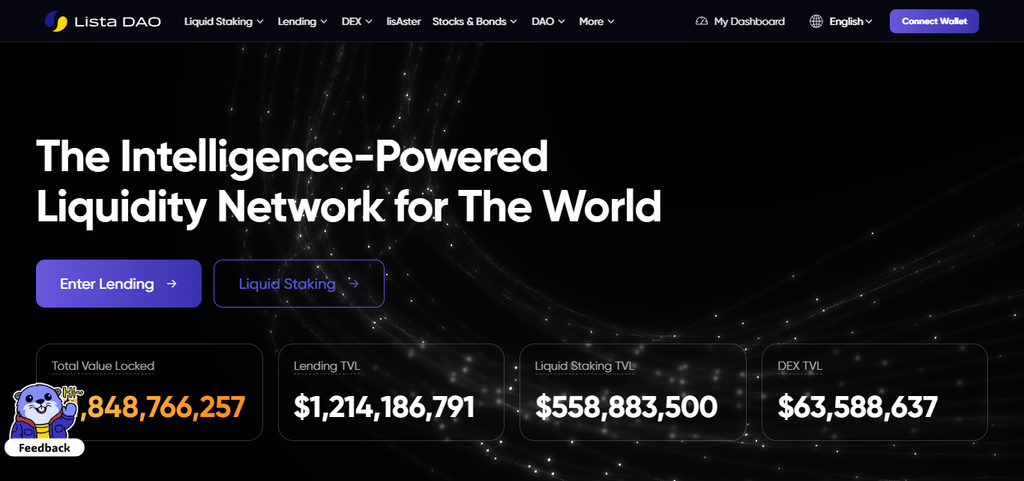
Supported Blockchains: The BNB Chain is the main one, however lending market trackers show more deployments. BNB, slisBNB, lisUSD, pt-clisBNB, and other approved collateral and borrowing tokens are examples of supported assets.
DeFi Integrations: Lista Lending is integrated with the larger ecosystem of Lista DAO, which includes its vault-based liquidity services, liquid staking products, and stablecoin infrastructure. Borrowing costs are adjusted based on market use through its adaptive interest-rate system.
Lista Lending Best Use Cases
- Using supported BNB Chain collateral to borrow stablecoins.
- Providing digital assets to generate interest on loans.
- Using separate collateralized lending markets to obtain liquidity.
- Using liquid staking assets as loan collateral.
8. Silo Finance
Users can borrow and lend cryptocurrency using Silo Finance, a decentralized lending system built on separate lending markets, without subjecting all markets to common collateral risks. Every market sets its own requirements for borrowing assets, collateral, interest rates, and liquidation. Ethereum and other EVM-compatible networks with active Silo installations, including a few Layer 2 ecosystems, are supported blockchains.
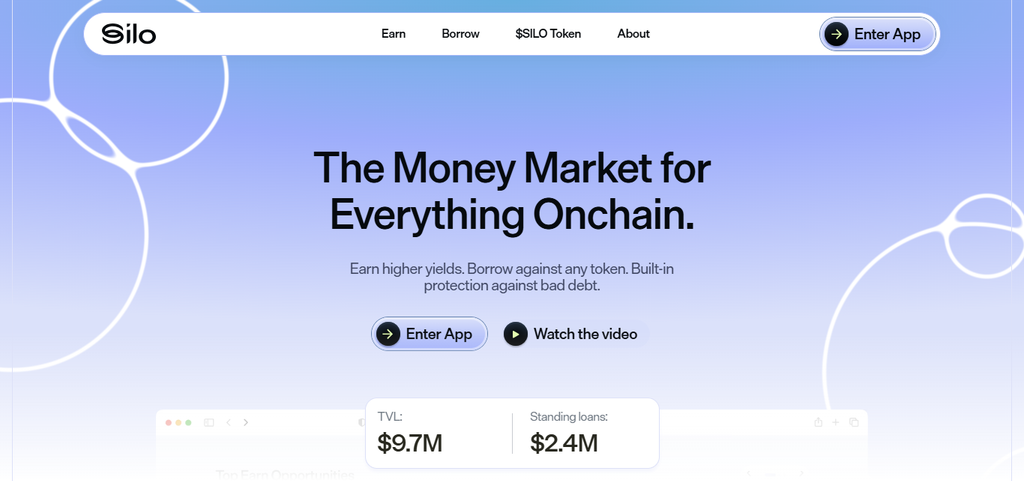
ETH, WETH, WBTC, USDC, USDT, liquid staking tokens, and other authorized digital assets are examples of supported assets. DeFi Integrations: Silo has connections to yield optimization apps, lending aggregators, liquidity providers, and DeFi wallets. Developers and liquidity managers can create unique loan opportunities while upholding independent market risk parameters because to its isolated market design.
Finance in Silos Best Use Cases
- Establishing separate financing markets for distinct cryptocurrency assets.
- Borrowing tokens without putting unrelated markets at risk for collateral.
- Providing liquidity to loan markets that are tailored to individual assets.
- Using separate collateral risk standards to control lending exposure.
9. Gearbox
Through customized credit accounts, users of the Gearbox Protocol, a onchain credit infrastructure platform, can obtain leveraged capital. These accounts enable borrowers to execute strategies across authorized DeFi applications and combine borrowed cash with personal collateral. Blockchains that are supported include Ethereum and other EVM implementations with accessible Gearbox markets.
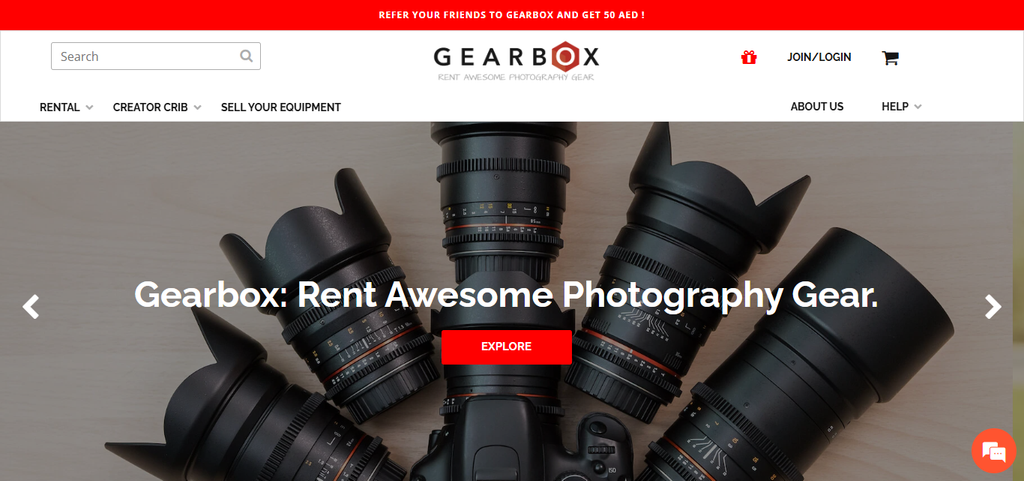
ETH, WETH, USDC, USDT, WBTC, and other approved pool and collateral assets are examples of supported assets. DeFi Integrations: Through specialized adapters, Gearbox establishes connections with yield protocols, staking systems, decentralized exchanges, and liquidity providers like Uniswap, Curve, and Lido. Customized DeFi financial methods, yield farming, and leveraged trading are supported by its composable credit infrastructure.
Gearbox Protocol Best Use Cases
- Using decentralized credit accounts to obtain leveraged financing.
- Putting leveraged yield farming and liquidity methods into practice.
- Combining personal collateral for trade with borrowed money.
- Including leverage in all decentralized finance apps that are supported.
10. Inverse Finance
With its FiRM lending infrastructure, Inverse Finance is a decentralized finance protocol that specializes on fixed-rate borrowing. By using DOLA Borrowing Rights (DBR) to control borrowing costs, it enables users to borrow DOLA stablecoins against supported cryptocurrency collateral. Further risk separation is provided by its isolated collateral positions.
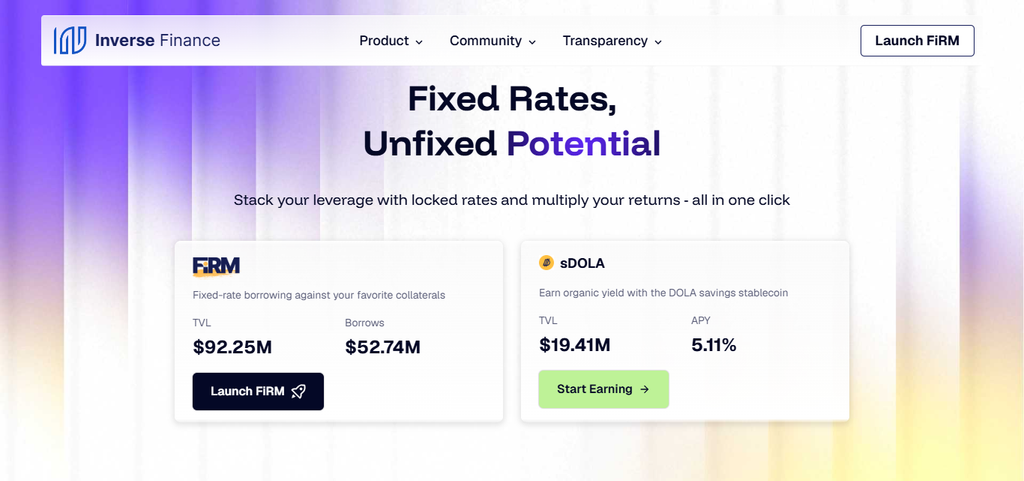
Supported Blockchains: FiRM is mostly deployed on Ethereum, but the larger ecosystem also integrates with a few other networks, including as Base, Arbitrum, Optimism, and Avalanche. DOLA, ETH, WETH, WBTC, cbBTC, wstETH, and other authorized collateral assets are examples of supported assets. DeFi Integrations: Curve, Balancer, Convex, Frax, Yearn, and other yield and liquidity ecosystems are connected to Inverse.
Inverse Finance Best Use Cases
- Using supported cryptocurrency collateral to borrow DOLA stablecoins.
- Using the FiRM lending system to obtain fixed-rate borrowing.
- Using DOLA Borrowing Rights to control borrowing expenses.
- Making use of collateralized stablecoin liquidity in all DeFi apps.
Conclusion
In conclusion, a variety of solutions for decentralized borrowing, lending, liquidity management, and capital efficiency are provided by The Top Morpho Rivals for Effective DeFi Lending Markets. While some platforms concentrate on isolated markets or leveraged methods, others include competitive
lending features, such as Aave, SparkLend, Kamino, Euler, and Compound. Users may choose the best DeFi lending platforms for their financial needs by comparing their supported assets, blockchain networks, risk management, and integrations.
FAQ
Aave offers liquidity pools, flexible borrowing, flash loans, and competitive interest rates.
SparkLend provides stablecoin-focused lending markets and collateralized cryptocurrency borrowing.
Kamino offers Solana-based lending, borrowing, liquidity management, and leveraged strategies.
Euler provides customizable lending markets with modular infrastructure and independent risk controls.