
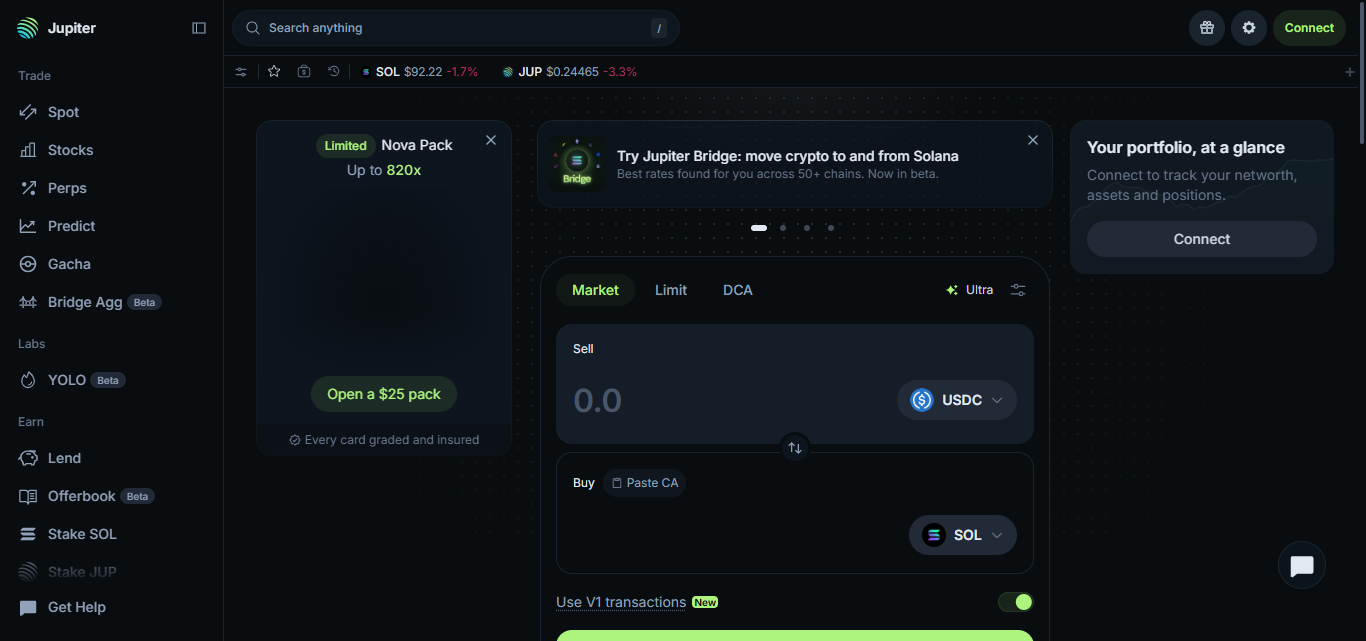

I’ll go over the best Jupiter exchange options for Solana aggregation in this post, looking at sites that provide effective trading routes, competitive token swaps, and liquidity aggregation.
To assist you in determining which options offer appropriate solutions for Solana traders looking for dependable decentralized exchange experiences, we will examine their salient features, supported coins, cross-chain capabilities, and trading costs.
How We Choose the Top Jupiter Exchange Alternatives for Solana Aggregation
- Solana Compatibility: Evaluating support for Solana blockchain and SPL tokens.
- Liquidity Aggregation: Checking liquidity sources and available trading routes.
- Supported Tokens: Comparing available cryptocurrencies and trading pairs.
- Cross-Chain Support: Reviewing compatibility with multiple blockchain networks.
- Trading Fees: Comparing swap fees, gas costs, and additional charges.
- Swap Efficiency: Assessing transaction speed, slippage, and price execution.
- Security: Reviewing audits, wallet safety, and transaction protection.
- Key Features: Comparing smart routing, limit orders, and trading tools.
- User Experience: Evaluating interface simplicity and trading accessibility.
- Jupiter Comparison: Identifying unique advantages and limitations against Jupiter.
Key Points & Top Jupiter Exchange Alternatives for Solana Aggregation
| Platform | Explanation |
|---|---|
| Raydium | Provides automated market making and token swaps through Solana’s decentralized liquidity pools. |
| Orca | Offers user-friendly token swaps with concentrated liquidity and efficient trading execution. |
| Meteora | Provides dynamic liquidity pools and decentralized trading solutions across Solana’s ecosystem. |
| Lifinity | Uses proactive market making to reduce impermanent loss and improve swap efficiency. |
| Titan (Meta-Aggregator) | Aggregates multiple Solana trading routes to optimize prices and minimize transaction costs. |
| OKX DEX | Aggregates decentralized exchanges across supported networks, offering competitive routing and convenient token swaps. |
| 1inch | Uses Pathfinder routing to discover efficient swap paths across supported decentralized exchanges. |
| OpenOcean | Combines liquidity from multiple decentralized exchanges to deliver competitive cross-chain swap execution. |
| Matcha | Provides optimized token swaps through 0x liquidity sources across supported blockchain networks. |
| THORSwap | Enables cross-chain asset swaps through THORChain without relying on traditional wrapped-token bridges. |
10 Top Jupiter Exchange Alternatives for Solana Aggregation
1. Raydium
One of Solana’s first and most well-known decentralized exchanges, Raydium combines concentrated liquidity (CLMM) pools, a constant-product AMM, and a launchpad for new initiatives. It is a powerful direct substitute for Jupiter for deep liquidity since it routes trades through its own pools.
Supported Tokens: Almost all SPL tokens, including new memecoins and blue chips like SOL, USDC, and RAY, are included permissionlessly.
Cross-Chain Support: Because Raydium is Solana-native and lacks integrated cross-chain swaps, users must bridge assets independently. Fees: CLMM tiers vary; basic pools charge roughly 0.25% every swap, with the majority going to liquidity providers and a fraction to RAY buybacks.
| Features | Explanation |
|---|---|
| Automated Market Making | Uses AMM pools to facilitate decentralized token swaps and liquidity provision. |
| Concentrated Liquidity | Allows liquidity providers to allocate capital within selected price ranges. |
| Token Launchpad | LaunchLab supports new token launches within the Solana ecosystem. |
| Liquidity Pools | Connects traders with multiple pools for different supported trading pairs. |
2. Orca
The Whirlpools concentrated-liquidity concept of Orca, a well-known Solana DEX, allows liquidity providers to concentrate capital within specific price ranges and provides traders with tighter spreads and reduced slippage. For effective execution, its intelligent router divides transactions among its own pools.
Supported Tokens: In addition to popular listings, Orca offers permissionless pools for important assets including SOL, USDC, USDT, ORCA, and numerous other SPL tokens.
Cross-Chain Support: It does not provide native cross-chain swaps and instead concentrates on Solana (and Solana-based environments like Eclipse). Fees: There is no additional platform cost, and pool fee levels vary from about 0.01% to 2%, depending on the pair’s volatility.
| Features | Explanation |
|---|---|
| Whirlpools | Provides concentrated liquidity pools for capital-efficient token trading. |
| Simple Interface | Offers an accessible interface for swapping tokens and managing liquidity. |
| Adaptive Fees | Supports variable fee mechanisms designed to respond to market volatility. |
| Liquidity Provision | Enables users to deposit assets into pools and earn trading fees. |
3. Meteora
Dynamic Liquidity Market Maker (DLMM) pools, dynamic vaults, and dynamic AMM pools are the foundation of the liquidity-focused Solana protocol Meteora. Because of its design, traders can benefit from deep, flexible liquidity, particularly in newly issued and fast-moving tokens, while liquidity providers can earn larger rates.
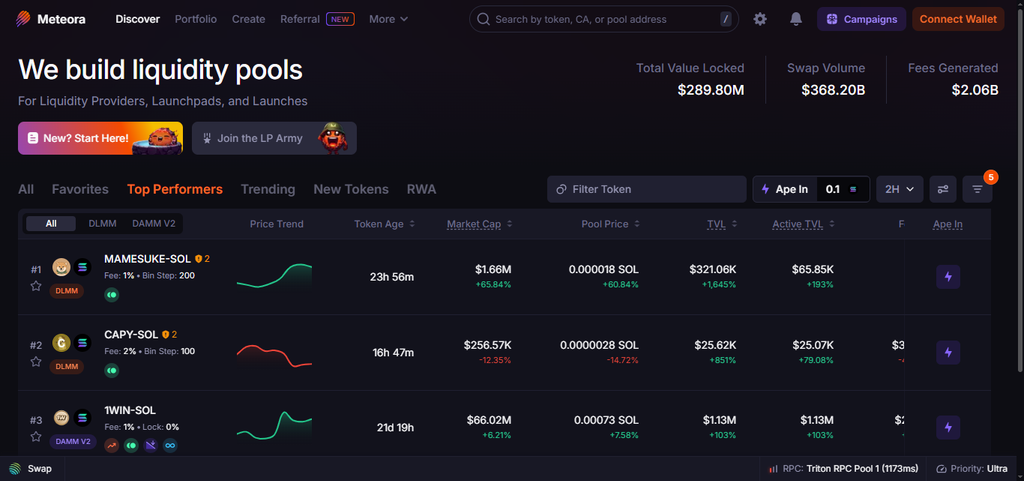
Using Jupiter directly is a valid alternative because Jupiter itself passes through Meteora. Supported Tokens: SOL, stablecoins, and a large variety of SPL tokens, including numerous memecoins, are all supported. Cross-Chain Support: Meteora is exclusive to Solana. Fees: Depending on pool settings, DLMM pools employ a base cost plus a variable fee that increases with volatility, usually from 0.01% to a few percent.
| Features | Explanation |
|---|---|
| Dynamic Liquidity Market Maker | Uses DLMM technology to distribute liquidity across different price bins. |
| Dynamic Fees | Adjusts trading fees according to market conditions and volatility. |
| DAMM Pools | Supports dynamic automated market-making pools for decentralized trading. |
| Liquidity Management | Provides tools for managing liquidity positions and earning trading fees. |
4. Lifinity
In order to concentrate liquidity close to the market price and minimize transient loss for liquidity providers, Lifinity, a Solana DEX, employs a proactive market maker (PMM) methodology that depends on oracle price feeds. The protocol recycles trading profits into its own liquidity, and this architecture can offer traders competitive pricing on supported pairings.
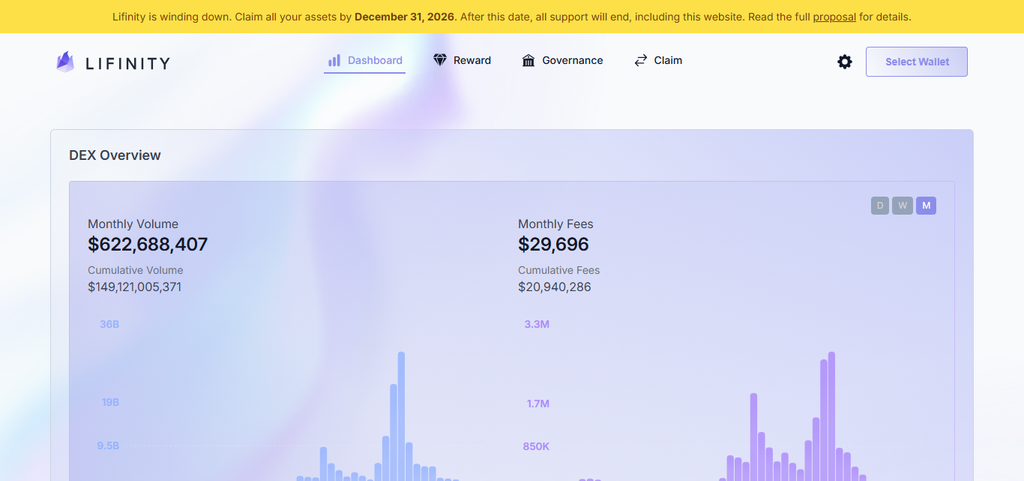
Supported Tokens: Compared to other possibilities, the selection is more constrained, concentrating on significant assets like SOL, USDC, and USDT as well as a small number of well-known tokens. Cross-Chain Support: Lifinity does not provide native cross-chain swaps and only runs on Solana. costs: To find out the precise rate for your pair, check the interface. Swap costs are often little and differ each pool.
| Features | Explanation |
|---|---|
| Proactive Market Making | Uses oracle-based pricing to improve market-making efficiency. |
| Concentrated Liquidity | Combines concentrated liquidity with automated liquidity management. |
| Oracle Pricing | Uses external price information to guide pool pricing decisions. |
| Impermanent Loss Reduction | Designs its market-making approach to reduce potential impermanent loss. |
5. Titan (Meta-Aggregator)
Titan is a Solana meta-aggregator that finds the optimal execution price by comparing routes from several sources, such as liquidity venues and other aggregators. It is intended for traders and professionals that value good performance in competitive markets, quick execution, and price optimization.
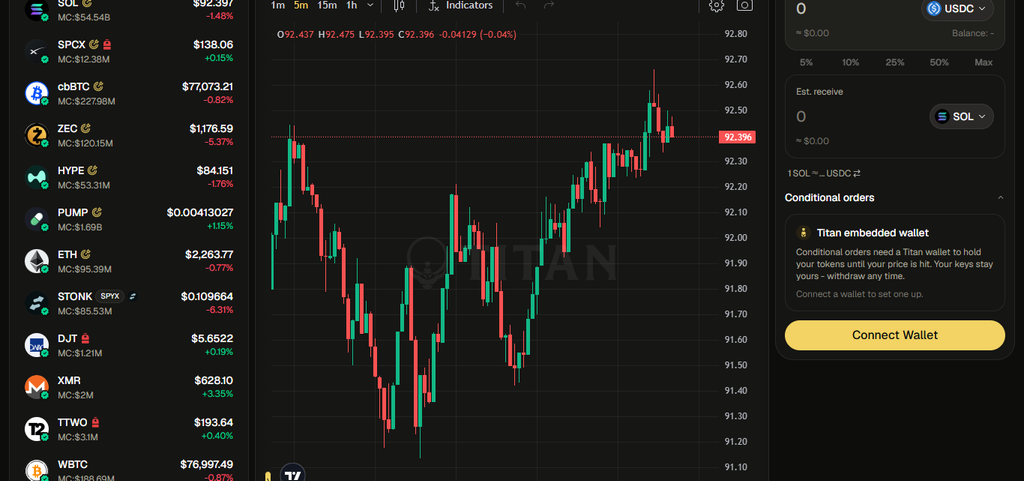
Supported Tokens: Wherever there is liquidity, it includes a wide variety of SPL tokens, such as SOL, stablecoins, liquid staking tokens, and well-known memecoins. Cross-Chain Support: Titan does not provide native cross-chain routing; instead, it concentrates on Solana swaps. expenses: Before trading, check the current rate on Titan’s official website. It usually charges a little platform fee in addition to network and DEX pool expenses.
| Features | Explanation |
|---|---|
| Meta-Aggregation | Combines quotes from multiple Solana aggregators to find competitive swap routes. |
| Smart Routing | Uses its Argos algorithm to identify efficient token trading paths. |
| Titan Prime | Automatically optimizes slippage and transaction landing settings. |
| Price Optimization | Compares available quotes to help traders achieve better execution. |
6. OKX DEX
The decentralized trading component of the OKX ecosystem, OKX DEX aggregates liquidity from hundreds of DEXs on other blockchains, including Solana. One of the most comprehensive alternatives to Jupiter, it is accessible via the OKX Wallet and online interface and provides route optimization, MEV protection features, and a cross-chain switch experience.
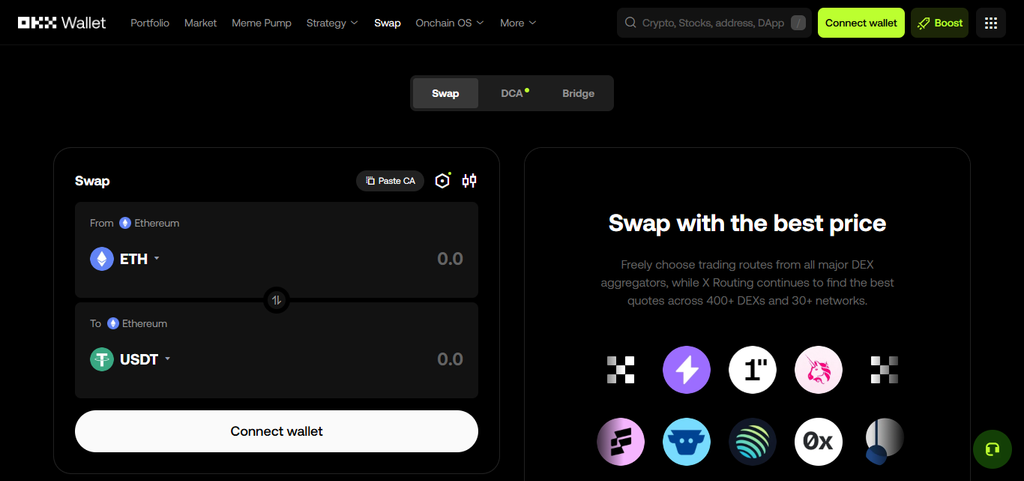
The majority of Solana SPL tokens with on-chain liquidity are among the thousands of tokens available on supported networks. Cross-Chain Support: Indeed, it facilitates bridging and swaps between dozens of chains, such as Solana, Ethereum, BNB Chain, and others. Fees: Although conditions may change, users mostly pay network gas and underlying DEX fees because OKX has often not imposed an additional platform fee on swaps.
| Features | Explanation |
|---|---|
| X Routing | Uses smart routing to identify competitive prices across decentralized exchanges. |
| Multi-Chain Swaps | Supports token swaps across numerous blockchain networks. |
| Cross-Chain Bridges | Connects different blockchain ecosystems through integrated bridge providers. |
| Security Features | Offers transaction screening, MEV protection, and suspicious-token detection tools. |
7. 1inch
One of the most well-known DeFi aggregators, 1inch was first developed for Ethereum and EVM networks before branching out to Solana. Its Fusion mode uses resolvers to provide gasless, MEV-resistant swaps, while its Pathfinder routing algorithm divides orders among numerous liquidity sources.
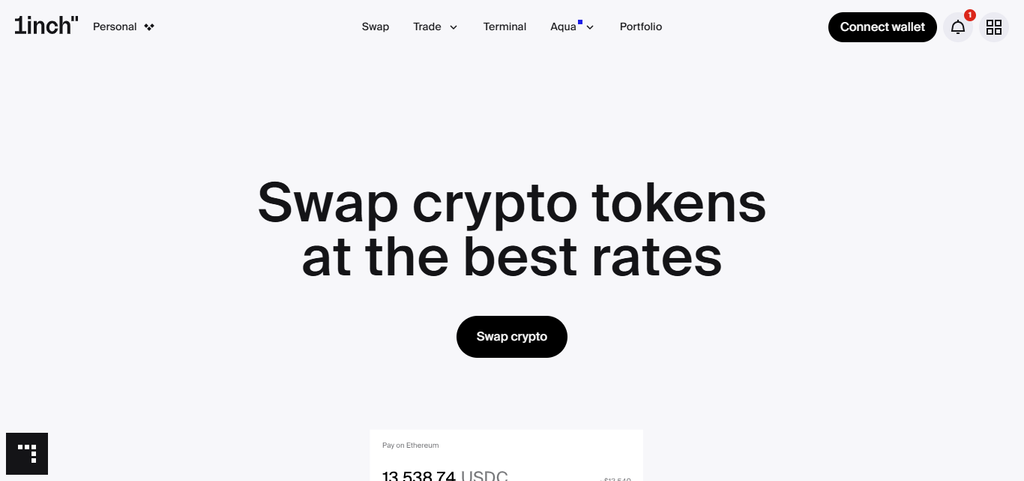
Supported Tokens: Solana coverage encompasses key SPL assets, and it supports a wide range of tokens across its networks. Cross-Chain Support: 1inch offers cross-chain swaps between EVM chains and, as of its launch, Solana via Fusion+. Fees: Fusion incorporates costs into the given price, so check the quote before finalizing, whereas standard swaps typically have no additional protocol fees beyond petrol and pool fees.
| Features | Explanation |
|---|---|
| Pathfinder Algorithm | Identifies efficient trading routes across multiple decentralized exchanges. |
| Liquidity Aggregation | Combines liquidity from different sources to improve swap execution. |
| Cross-Chain Swaps | Enables token exchanges between supported blockchain networks. |
| MEV Protection | Provides protection against certain transaction manipulation and sandwich attacks. |
8. OpenOcean
An established multi-chain DEX and DeFi aggregator, OpenOcean analyzes liquidity from hundreds of sources on over 30 blockchains, including Solana. In addition to offering limit orders, DCA, and a developer API that other wallets and apps can integrate, its routing system separates orders to reduce slippage and enhance pricing.
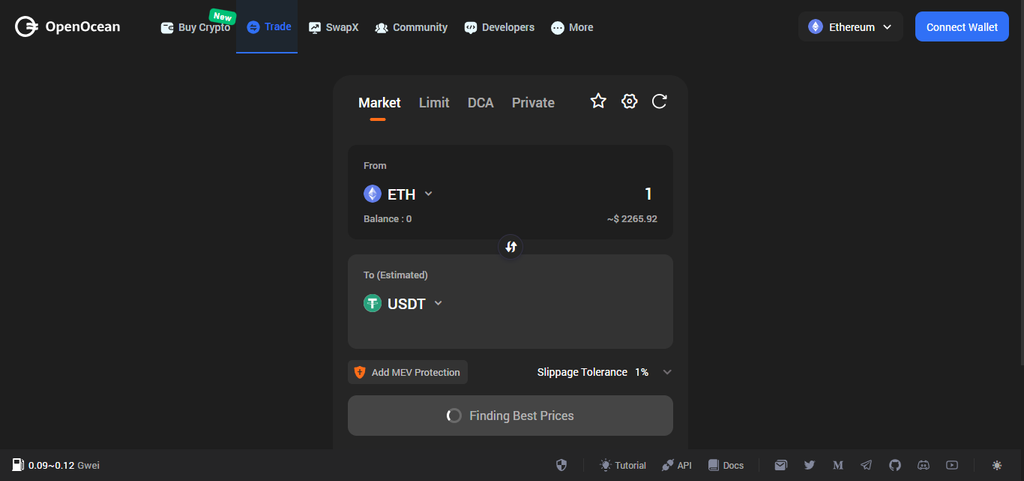
Supported Tokens: thousands of tokens from its supported chains, which include the majority of Solana’s liquid SPL tokens. Cross-Chain Support: It allows users to switch between networks without the need for additional bridging procedures by supporting cross-chain swaps via integrated bridge routes. Fees: Users primarily pay gas and DEX fees because OpenOcean has generally not imposed a sizable platform fee on regular swaps; check current prices in the app.
| Features | Explanation |
|---|---|
| Smart Order Routing | Identifies suitable swap routes across integrated liquidity providers. |
| Meta-Aggregation | Combines liquidity and quotes from multiple trading platforms and aggregators. |
| Multi-Chain Integration | Connects supported EVM and non-EVM blockchain ecosystems. |
| API Integration | Provides developer APIs, SDKs, and widgets for trading integrations. |
9. Matcha
Based on 0x technology, Matcha is a multi-chain DEX aggregator that finds great execution by sourcing liquidity from AMMs, order books, and expert market makers. It has added Solana to a portfolio that was previously primarily made up of EVM chains and has a simple, user-friendly interface that clearly displays pricing comparisons and gas predictions.
Supported coins: significant SPL coins on Solana with adequate liquidity are among the numerous well-known tokens it supports throughout its chains.
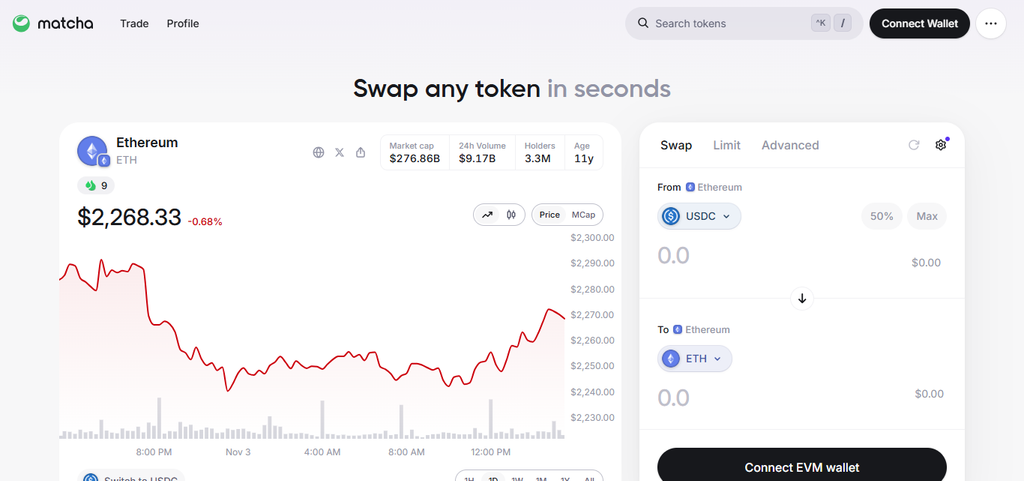
Cross-Chain Support: Matcha has been adding additional multi-chain functionalities; nevertheless, compared to OKX DEX or OpenOcean, cross-chain swaps are more constrained. Check out what Matcha currently offers. Fees: Before trading, check the quote because some swaps may include an interface cost in addition to network and DEX fees.
| Features | Explanation |
|---|---|
| Smart Order Routing | Finds efficient token swap routes across integrated liquidity providers. |
| Matcha Auto | Simplifies swapping through automated execution and gas-management features. |
| Limit Orders | Allows traders to specify preferred prices for token purchases and sales. |
| Cross-Chain Trading | Supports token swaps across compatible blockchain networks and trading routes. |
10. THORSwap
A decentralized liquidity network designed for native cross-chain swaps without wrapped assets, THORSwap is the front end of THORChain. It differs greatly from a Solana-only aggregator like Jupiter in that it allows users to trade assets like Bitcoin, Ethereum, and others directly across chains.
In contrast to the thousands of long-tail SPL tokens that Solana DEXs list, supported tokens are a concentrated collection of significant assets from supported chains. With native swaps over several blockchains, cross-chain compatibility is its main advantage.
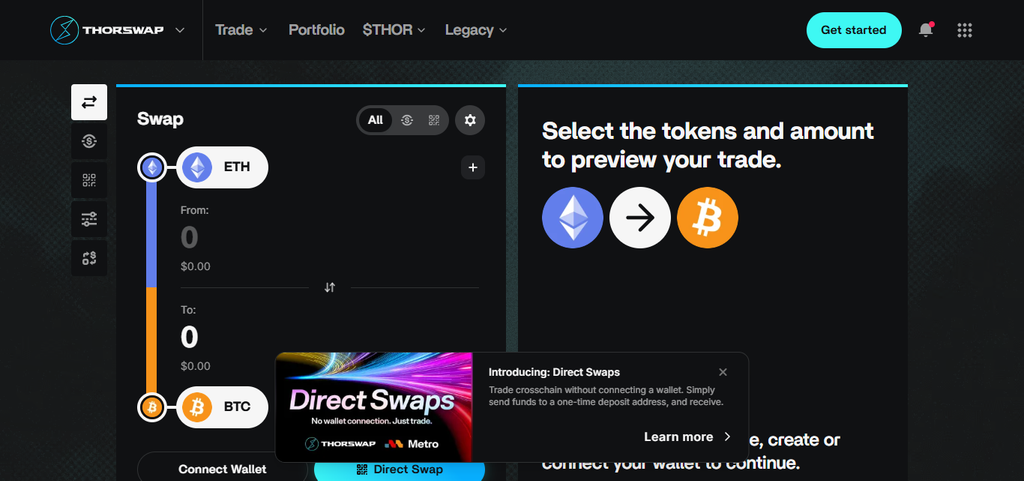
Solana support has been developed, so make sure it’s available. Fees: Depending on the amount and route of the deal, expenses usually consist of a THORChain liquidity fee, an outbound network fee, and a tiny affiliate or interface fee.
| Features | Explanation |
|---|---|
| Cross-Chain Swaps | Enables decentralized asset exchanges across supported blockchain networks. |
| THORChain Integration | Uses THORChain liquidity pools to facilitate native asset swaps. |
| Multi-Protocol Aggregation | Connects liquidity from THORChain and other integrated trading protocols. |
| Non-Custodial Trading | Allows users to exchange assets without transferring custody to centralized exchanges. |
Conclusion
In conclusion, your trading needs, supported tokens, liquidity access, and transaction costs will determine which of the Top Jupiter Exchange Alternatives for Solana Aggregation is best for you. Titan, OKX DEX, and 1inch offer aggregation capabilities, while Raydium
Orca, and Meteora provide Solana-focused liquidity. To make an informed choice, evaluate security, swap efficiency, cross-chain support, and total trading expenses before choosing an alternative.
FAQ
Raydium, Orca, Meteora, Lifinity, and Titan are notable alternatives offering Solana-based liquidity and trading services.
Raydium focuses on direct liquidity pools, while Jupiter specializes in aggregating multiple trading routes.
Yes, Orca supports SOL, USDC, and various SPL tokens through its liquidity pools.
Meteora provides advanced liquidity infrastructure through DLMM and automated market-making pools.